Make it happen.
Choose the area and draw the edges
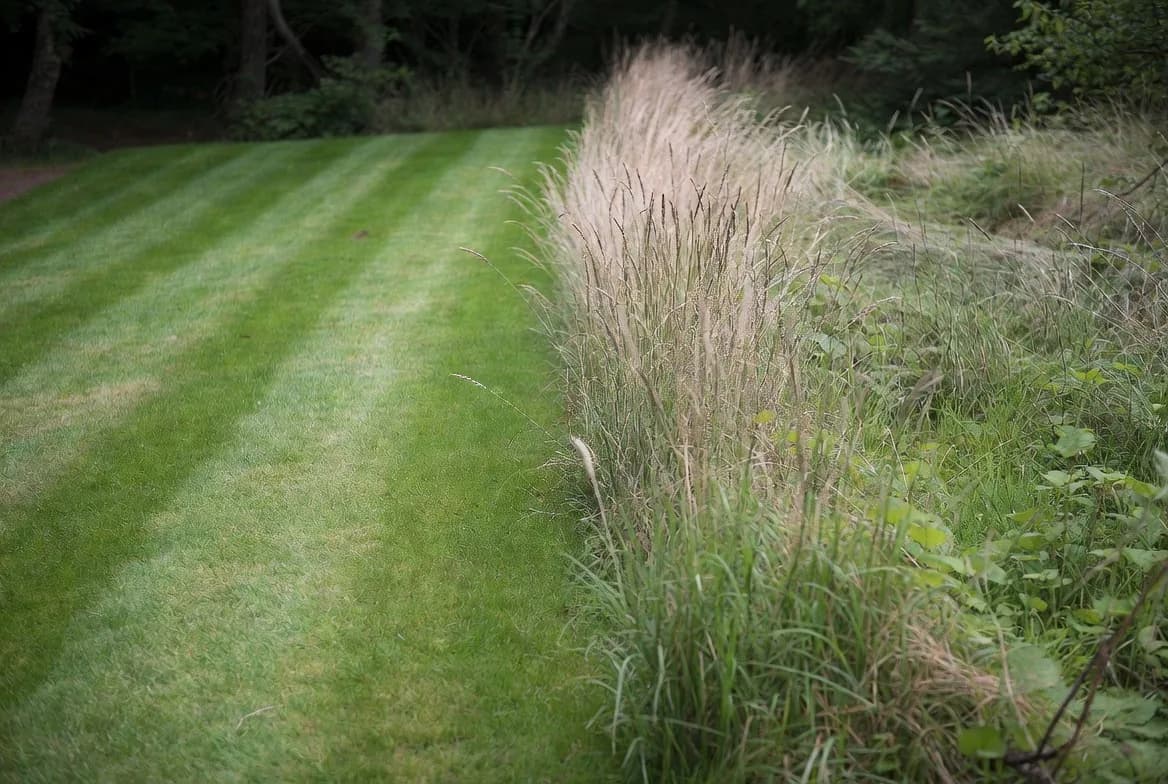
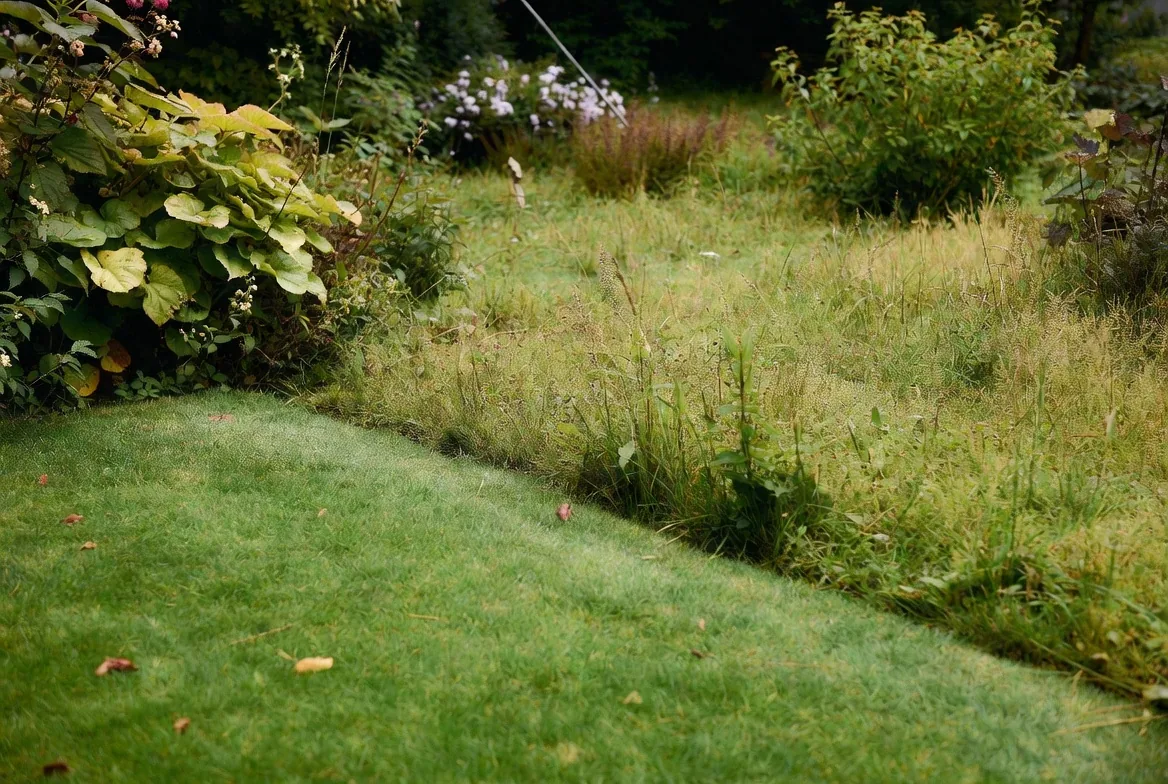
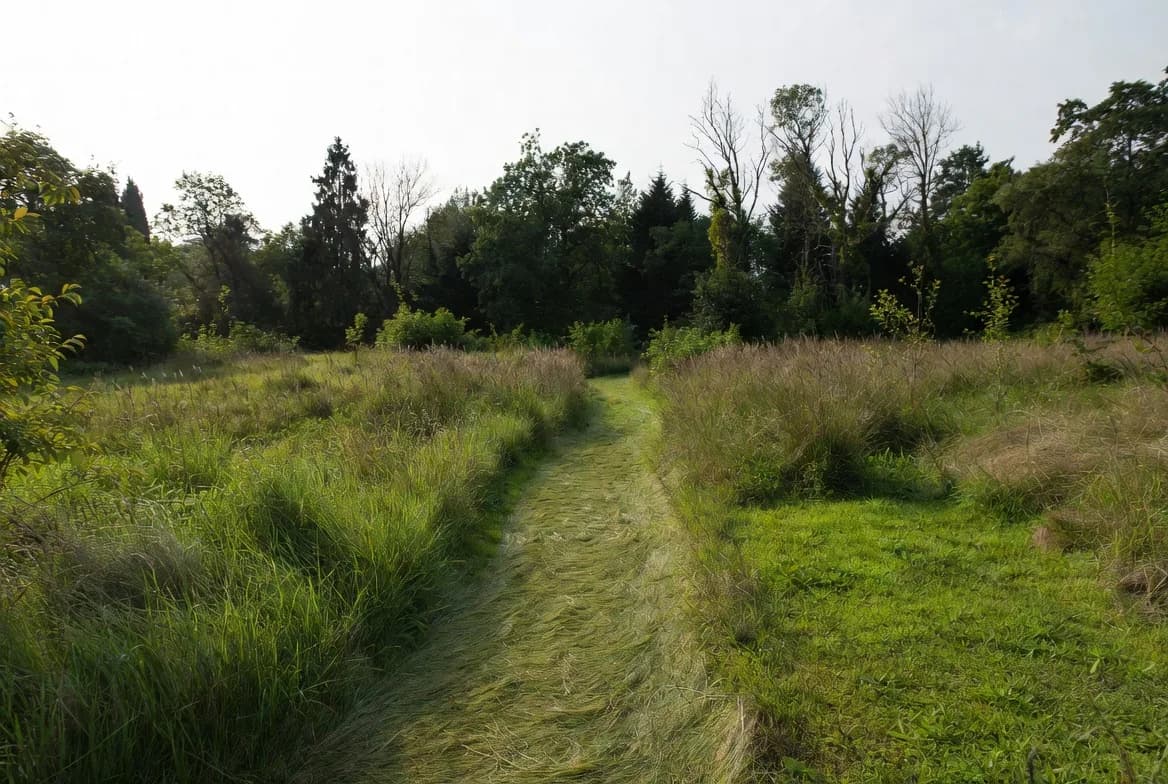
Select a sunny or lightly shaded patch that does not block a main route, play space or access point. Mark a curved edge, island or wide strip and continue mowing the surrounding path so the change looks deliberate from the beginning.
Let the existing lawn reveal itself
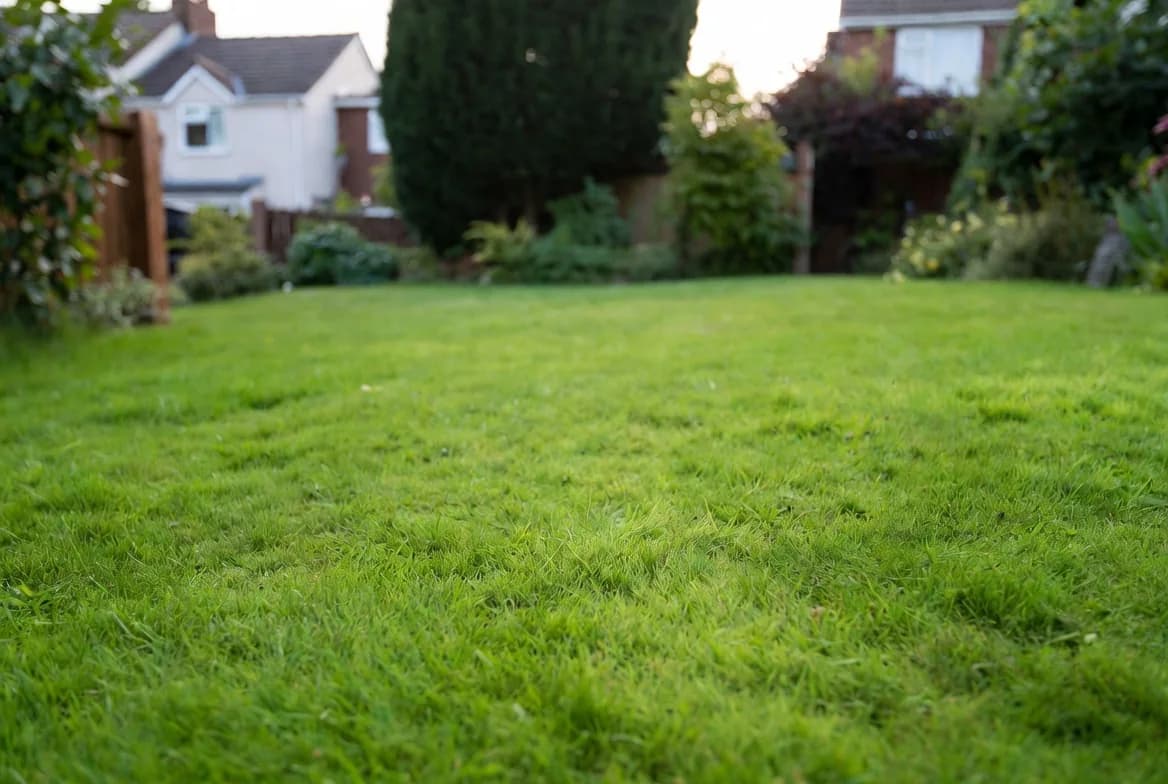
Reduce mowing and watch what appears before adding seed. Daisies, clover, selfheal, dandelions and other low flowers may already be present. Avoid fertiliser and weedkiller, which favour vigorous grass and reduce the diversity you are trying to encourage.
Use more than one grass height
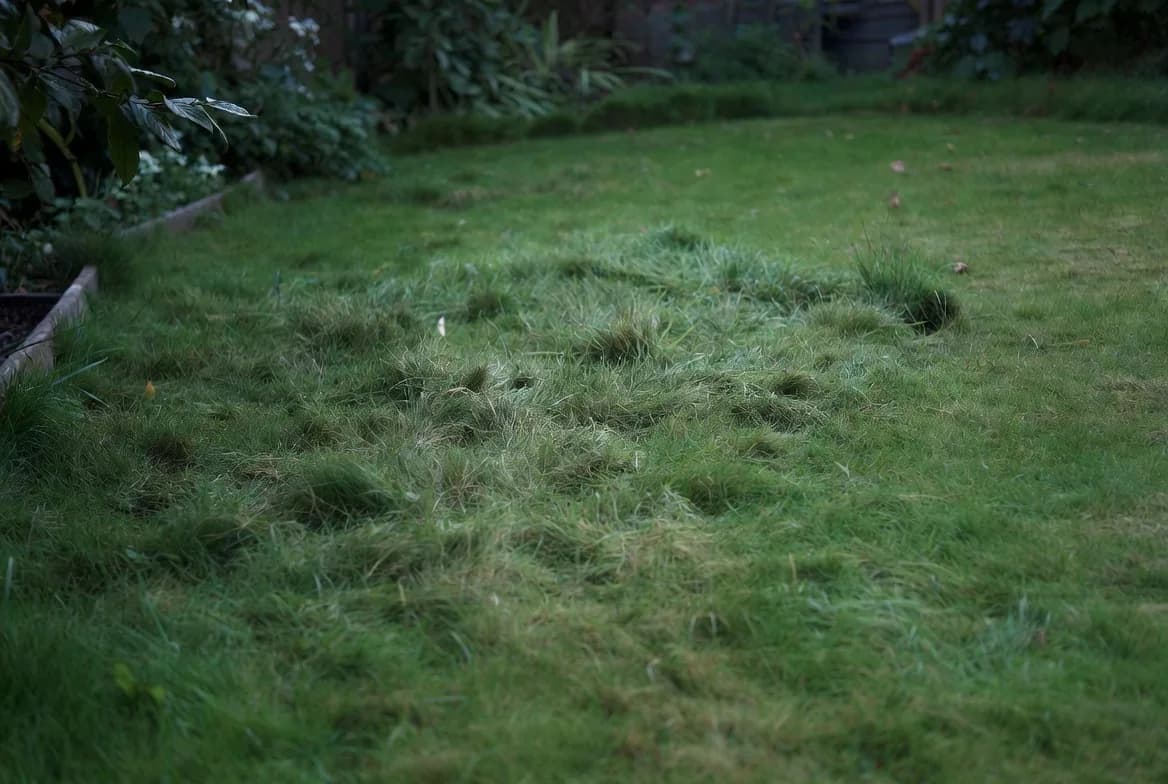
Keep some short flowering lawn, a longer summer patch and an uncut edge or tussock where practical. This varied structure gives wildlife more choices and keeps the garden usable. Mown paths also make the area easier to explore and maintain.
Cut carefully and remove the clippings
Before cutting, walk through the area slowly and check for wildlife. Work from the centre outwards or from one side to the other so animals are not driven into a shrinking island. Remove most cut material after seed has had time to fall so the soil does not become increasingly fertile.