Make it happen.
Map the useful features and exposed gaps
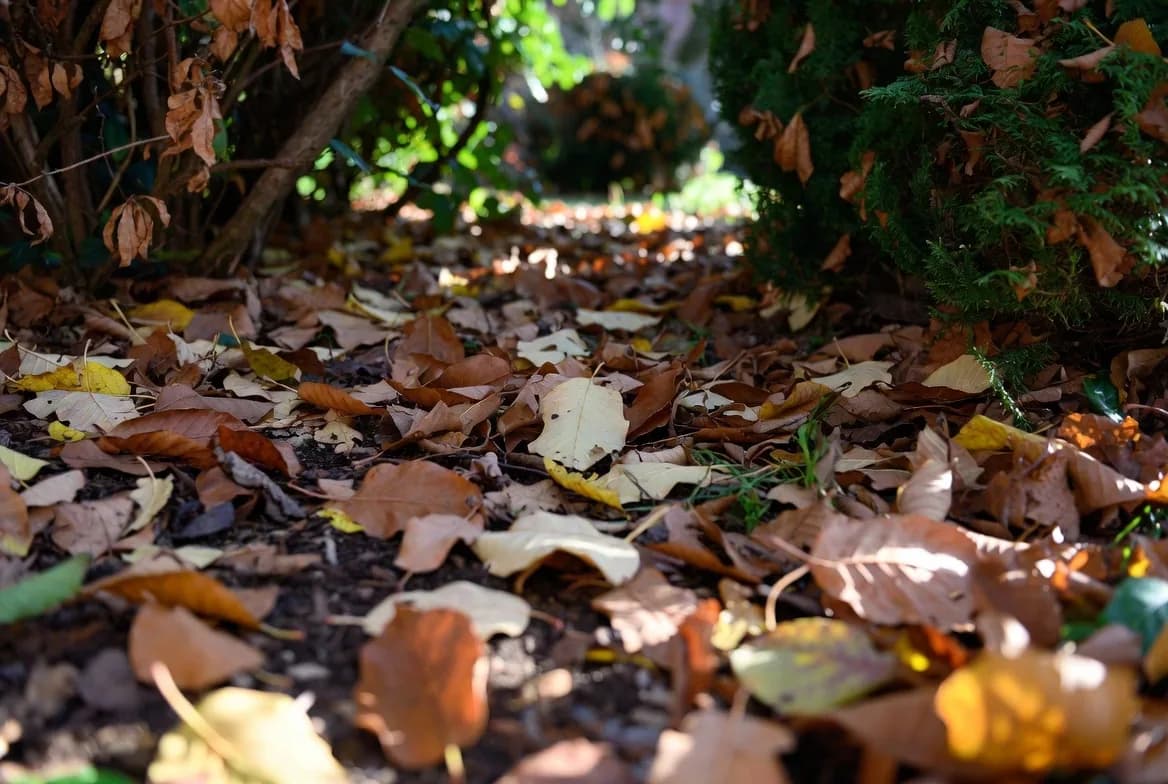
Walk through the garden at ground level as well as at human height. Mark existing shrubs, hedges, climbers, water, long grass, logs and boundary access. Then notice where wildlife would have to cross bright paving, short open lawn or a bare fence line to reach the next feature.
Join habitats with layered planting
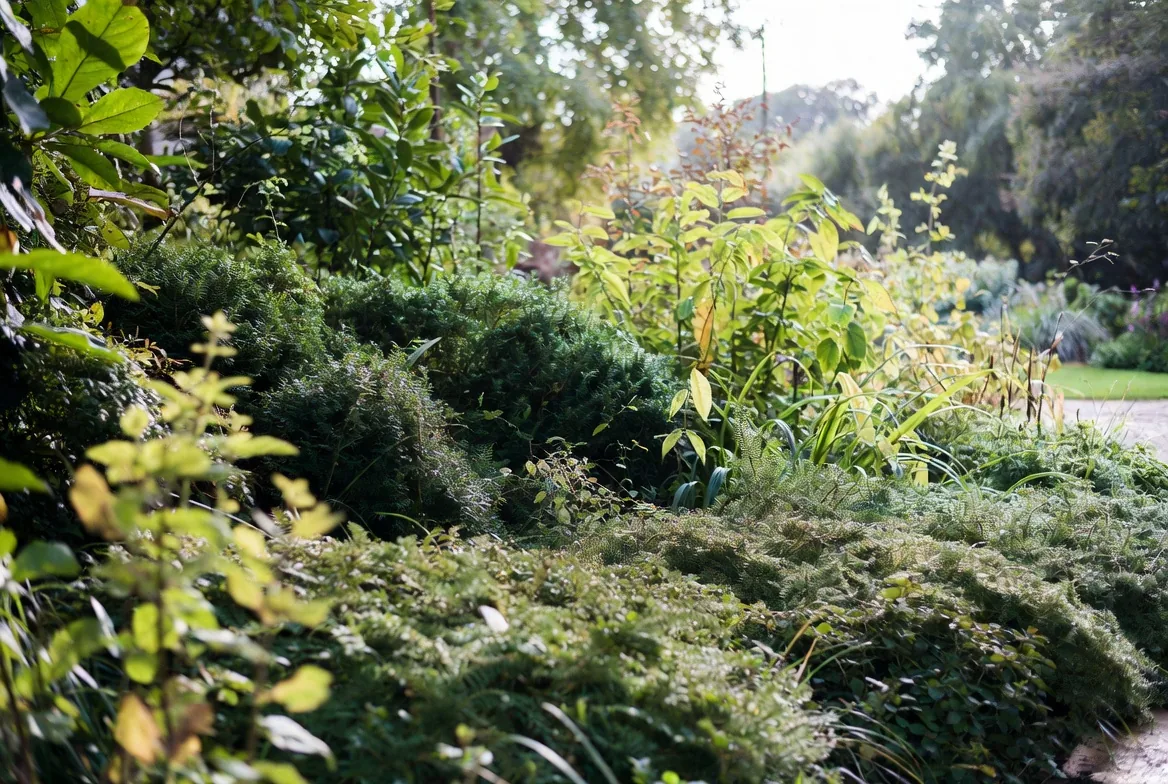
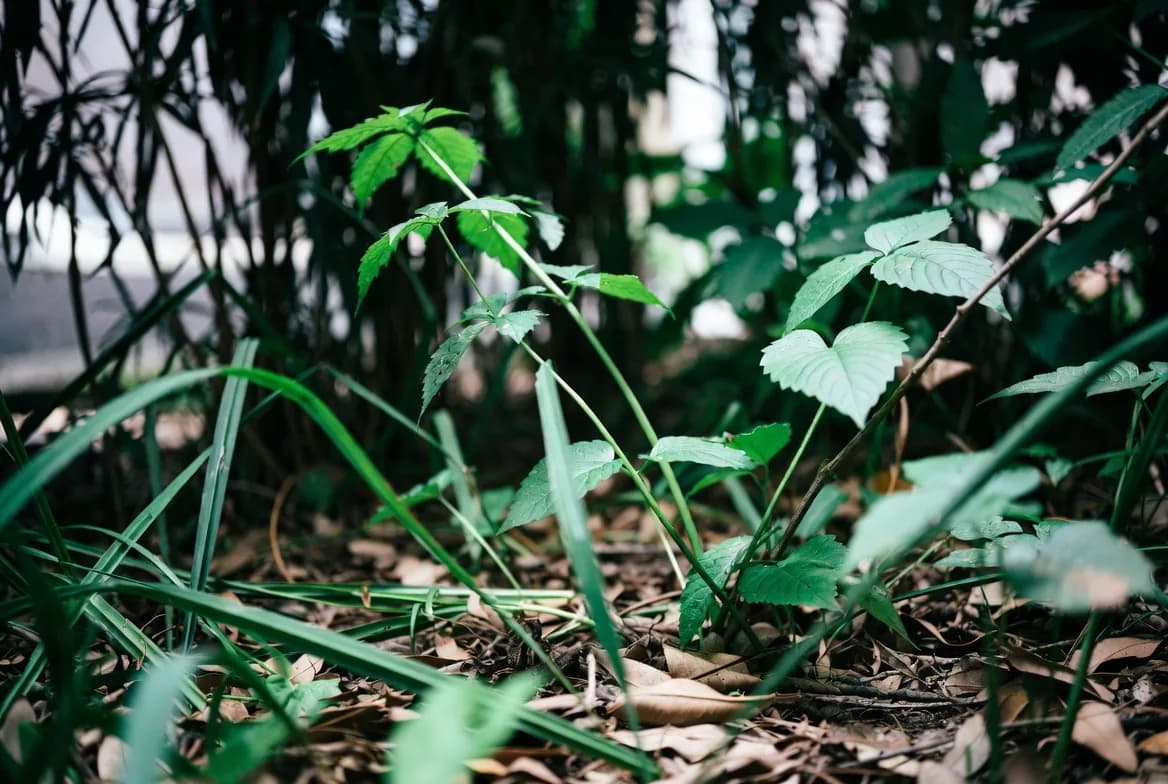
Use low ground cover beneath shrubs, climbers on fences and a sequence of pots or planting pockets through narrow spaces. Combine evergreen shelter with deciduous plants, flowers and seed-bearing growth so the route offers cover and food across more of the year.
Add stepping stones of shelter
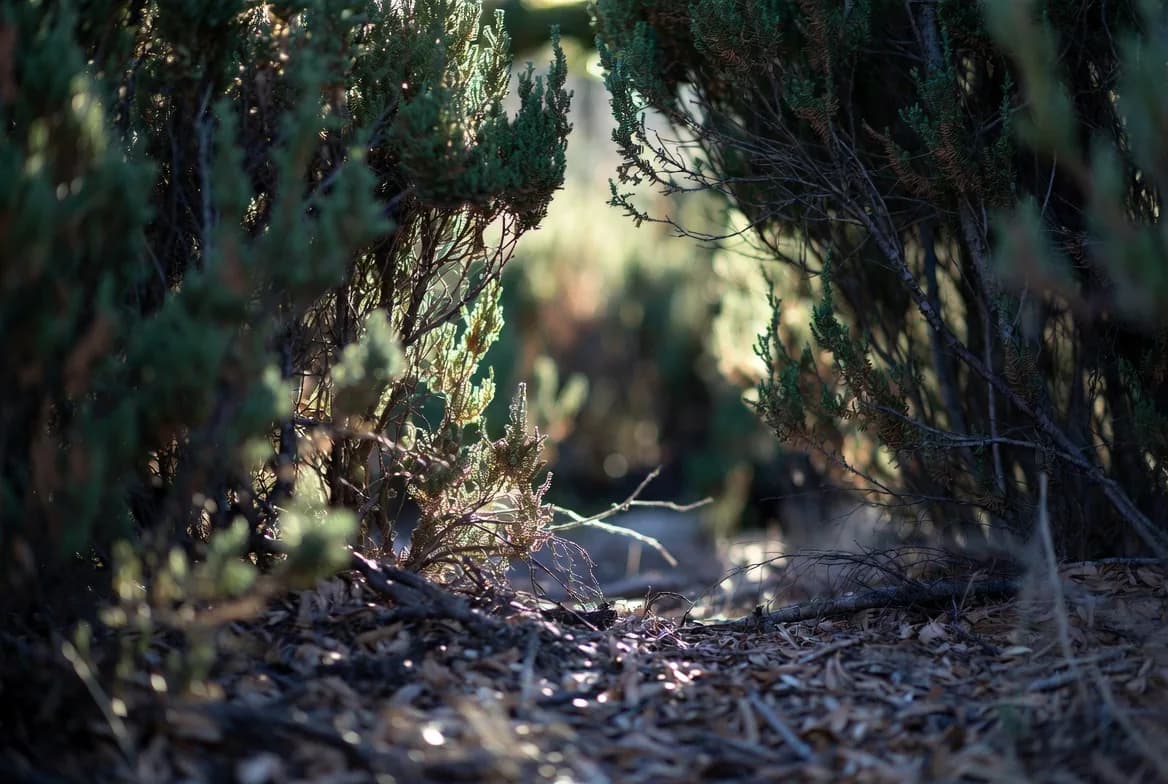
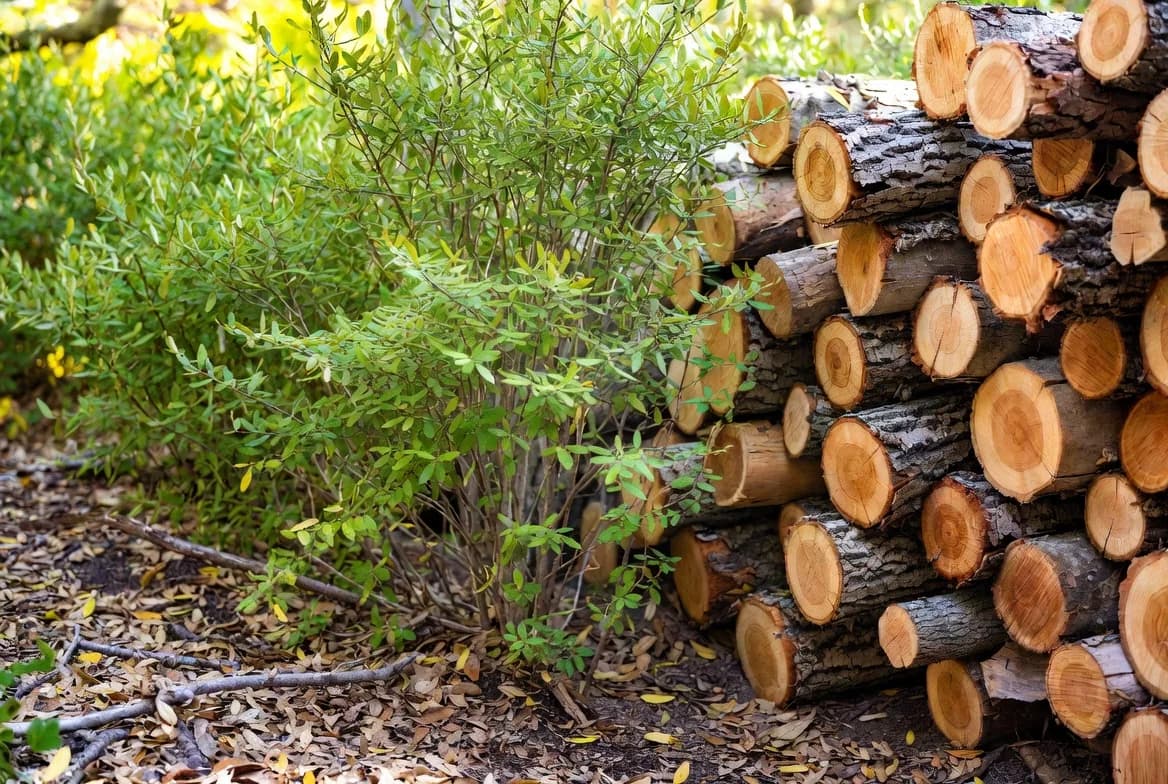
Place a small log pile, leaf-litter corner, stone group or shallow water dish between larger habitat areas. Keep these features stable and partly shaded. Even a short distance between protected stops can make a route less exposed for small animals.
Connect the boundary and reduce disturbance
Where permission and pet safety allow, link neighbouring gardens with a ground-level gap or living hedge. Keep bright lighting away from the route, avoid blocking it with stored items and trim in stages so the entire corridor is never removed at once.