
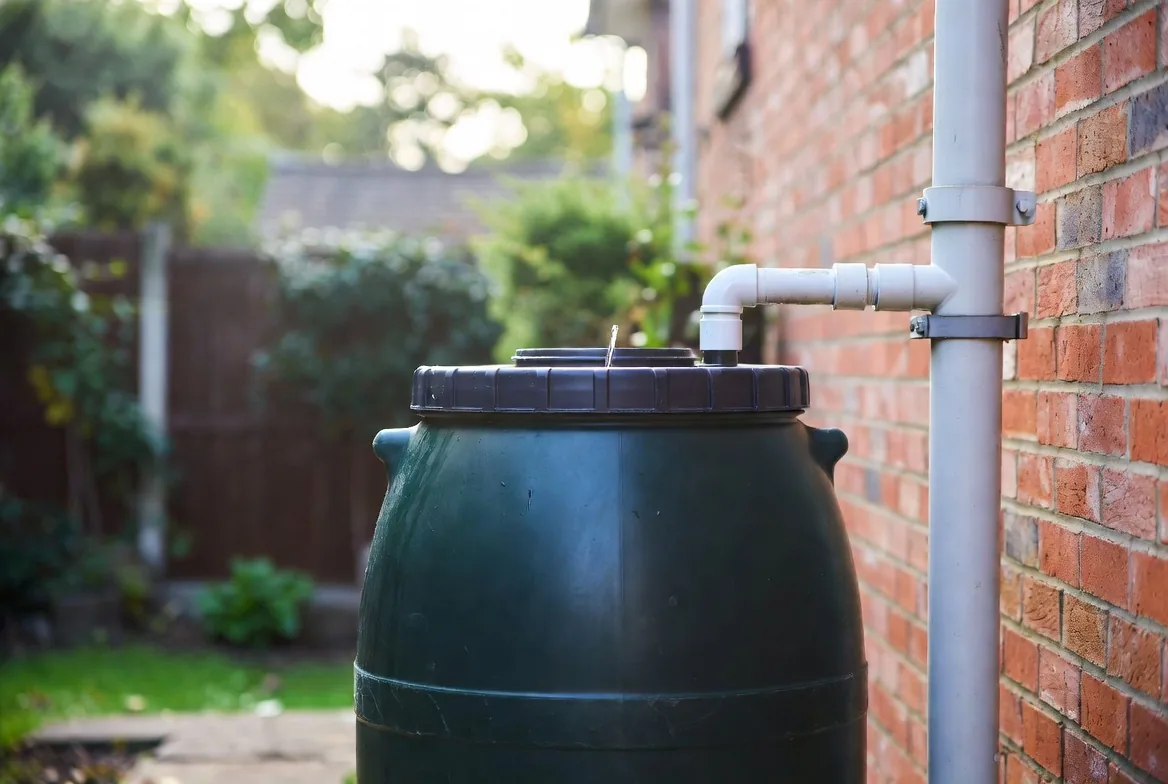
A covered water butt connected securely to a house downpipe
Water saving

Collect and use rainwater

Set up a secure water butt and use stored rain where it makes the greatest difference in your garden.

Why it matters

Stored rainwater reduces reliance on treated mains water and gives you a useful reserve for dry periods.

A good system needs a stable base, a covered container, a sound connection to the downpipe and an overflow route that will not create damp or flooding problems. Use the water on plants and wildlife features, not for drinking.

What you need

Materials checklist.

  • Water butt with secure lid and tap
  • Solid, level stand rated for a full container
  • Downpipe diverter kit suited to your pipe size
  • Overflow hose or return to the drain
  • Watering can for targeted use
Common mistakes

Skip these traps.

  • Standing a full butt on loose bricks or soft ground
  • Leaving the lid open so debris and animals can fall in
  • Ignoring overflow so water pools against the house wall
  • Using stored rainwater as drinking water
Step by step

Make it happen.

01

Choose a safe position and container

Place the water butt beside a suitable downpipe on a solid, level base that can carry its full weight. Use a purpose-made container with a close-fitting lid and child-safe access. Check that the tap is high enough for a watering can and that the location will not obstruct a path.
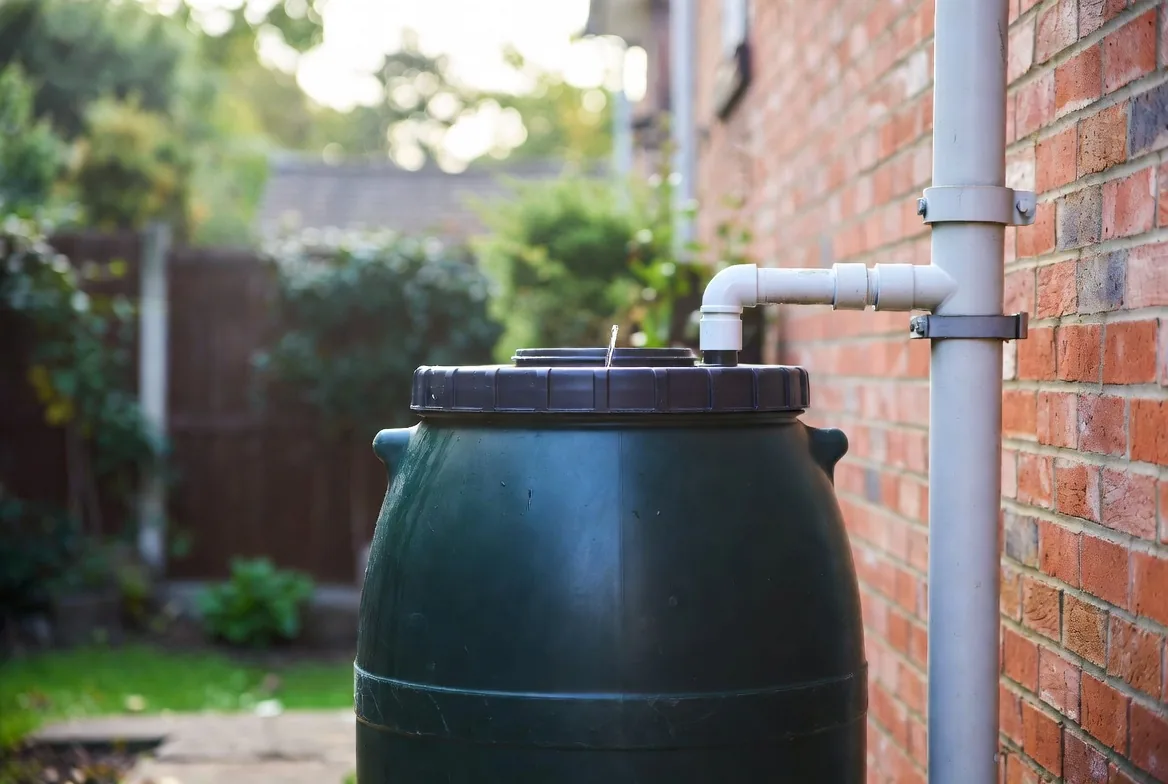
A covered water butt connected securely beside a house wall
02

Fit the diverter and overflow

Follow the manufacturer's instructions for the rainwater diverter and keep connections watertight. Make sure excess water can return to the drain or reach a safe permeable area rather than collecting beside the house, a neighbour's boundary or a foundation.
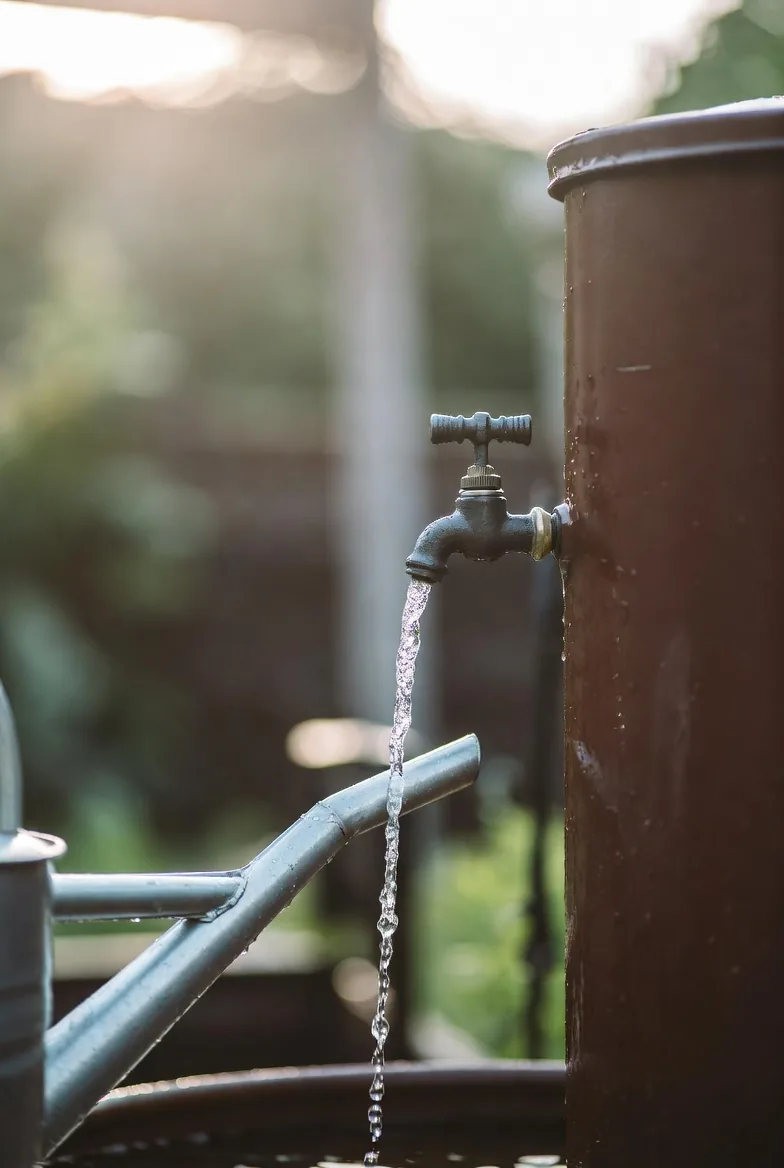
Stored rainwater flowing from a water-butt tap into a watering can
03

Keep the stored water protected

Keep the lid closed, use screens where needed and clear gutters so leaves and debris do not enter the system. Inspect the butt, stand and fittings periodically for leaks, movement, algae and blocked overflows, especially after storms or freezing weather.
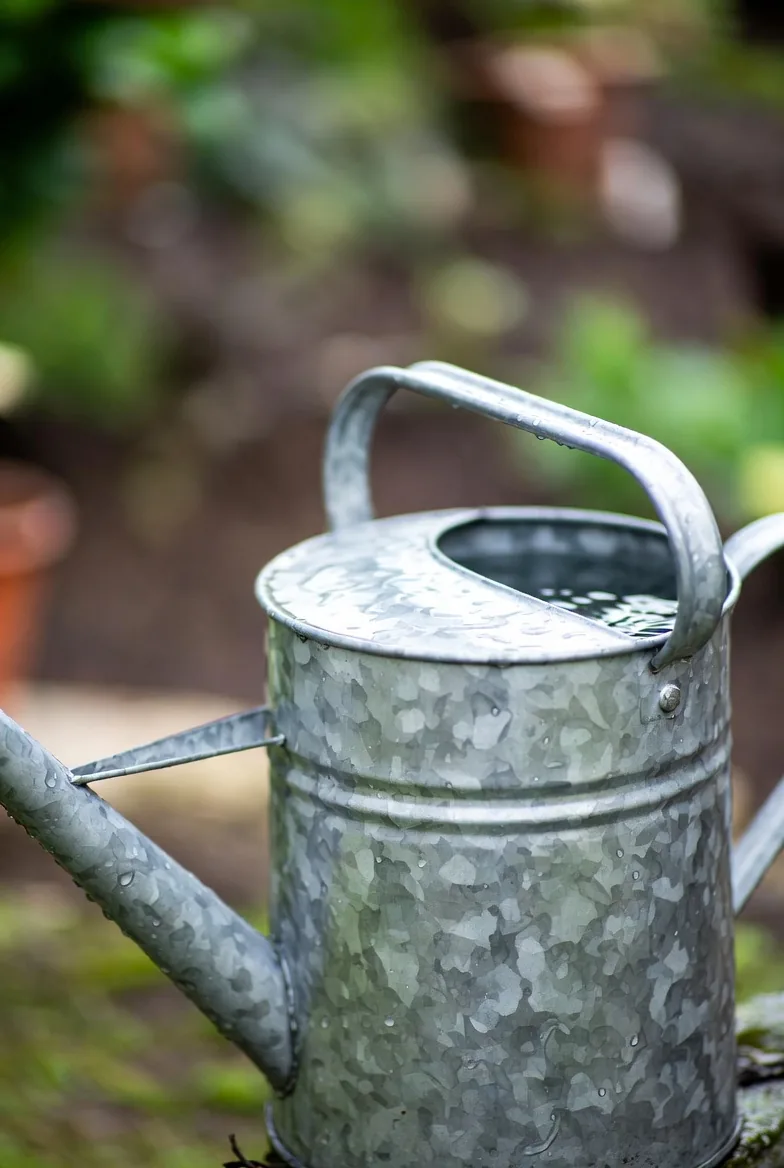
A galvanised watering can ready to carry collected rainwater into the garden
04

Use rainwater where it helps most

Prioritise containers, young plants and recently planted borders during dry periods, watering the soil around roots rather than spraying foliage. Stored rainwater is for garden use, not drinking. Empty, clean or isolate the system when maintenance or severe winter conditions require it.
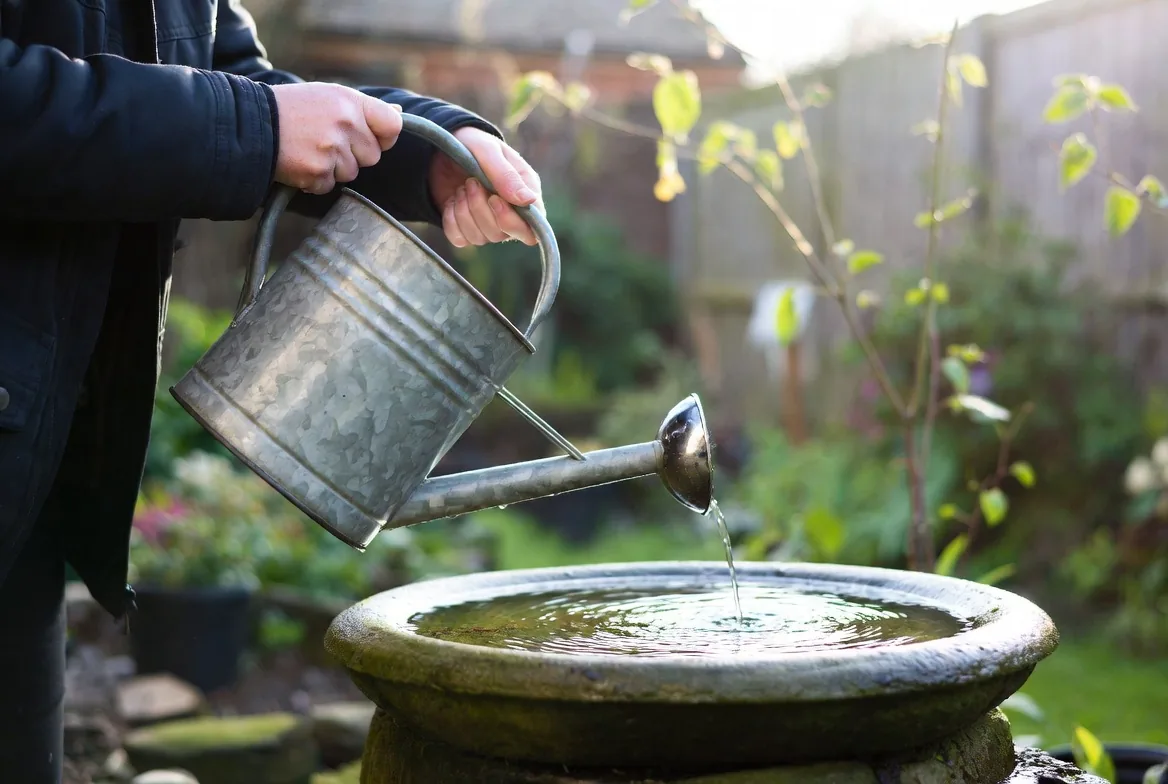
A garden bird bath being topped up carefully with a watering can
Useful plants

Easy UK choices that earn their keep.

These are practical starting points, not a complete shopping list. Match plants to your light, soil and the space you actually have.

01

Container herbs and flowers

Often need the most frequent watering in dry weather.

02

Newly planted shrubs

Benefit from deep, less frequent watering while roots establish.

Common questions

Before you begin.

Is rainwater better for wildlife ponds?

Yes, when available. It avoids the additives in mains water. Top up carefully and keep pond edges safe for animals leaving the water.

What if I rent?

Choose a freestanding kit that can be removed later, get landlord permission for any downpipe alteration, and avoid drilling into shared structure without approval.

Next best step

Mulch to hold the moisture

After watering, protect soil with mulch so less moisture is lost and you refill less often.

Continue
Keep it wild. Keep it safe.

Let wildlife arrive in its own time.

Use responsibly sourced plants and materials, avoid moving animals from the wild, and always build in safe access and escape routes. The best habitat is one that can settle, change and become part of the wider garden.

Written and reviewed by

Natasha Card

BSc Environmental Science

Mini Wild Garden turns wildlife science and trusted UK conservation guidance into practical changes that work in ordinary gardens, balconies and small outdoor spaces.

Read the Mini Wild Garden approach
Was this guide helpful?