
Make it happen.
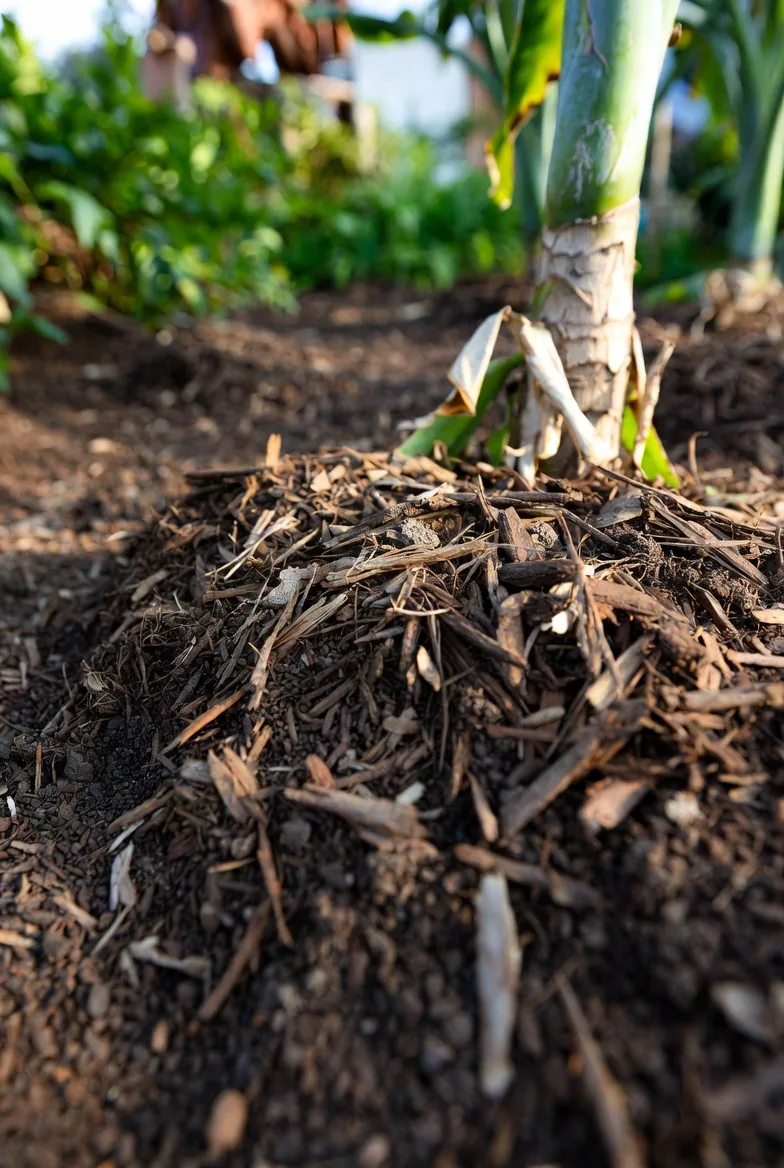
Choose a mulch that suits the planting
Use well-rotted garden compost, leaf mould, composted bark or wood chip where appropriate. Fine annual beds may need a softer material, while established shrubs and hedges can take coarser mulch. Avoid fresh contaminated waste, treated wood and materials that are unsafe around pets.
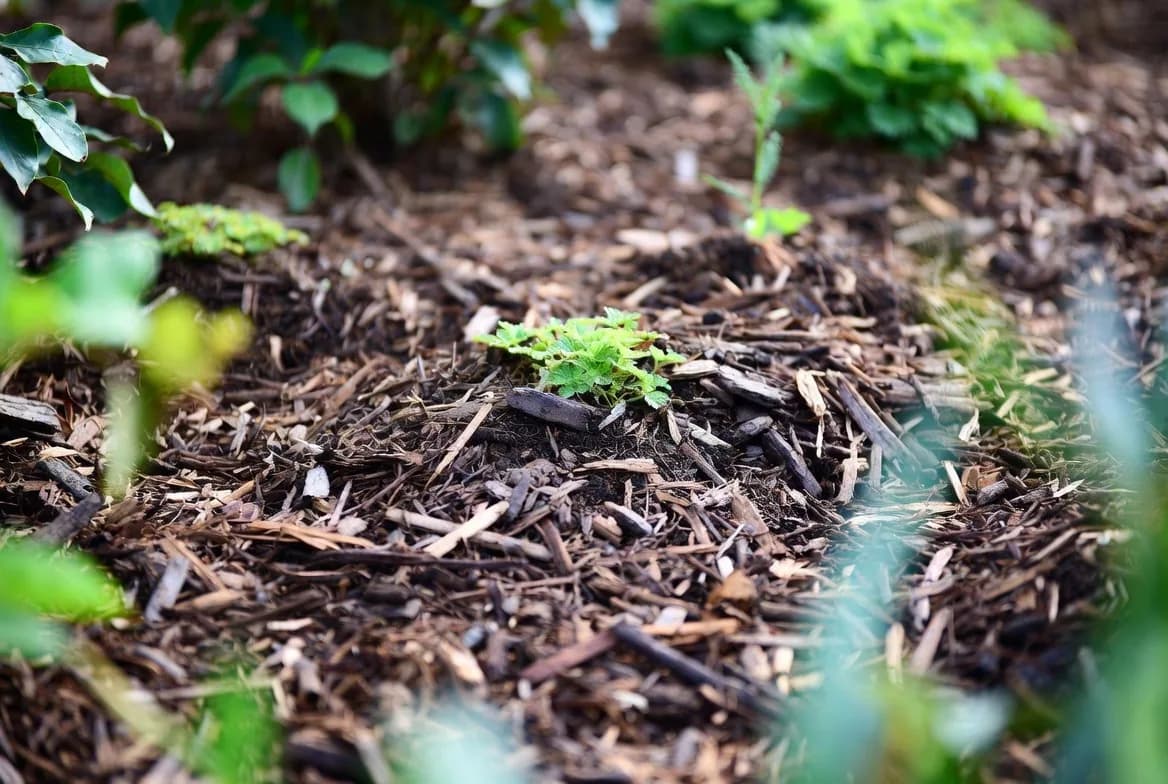
Prepare and water the soil first
Remove persistent weeds and water thoroughly if the ground is dry. Mulch conserves moisture already in the soil, but a thick dry layer placed over parched ground can make it harder for light rain or a quick watering to reach the roots.
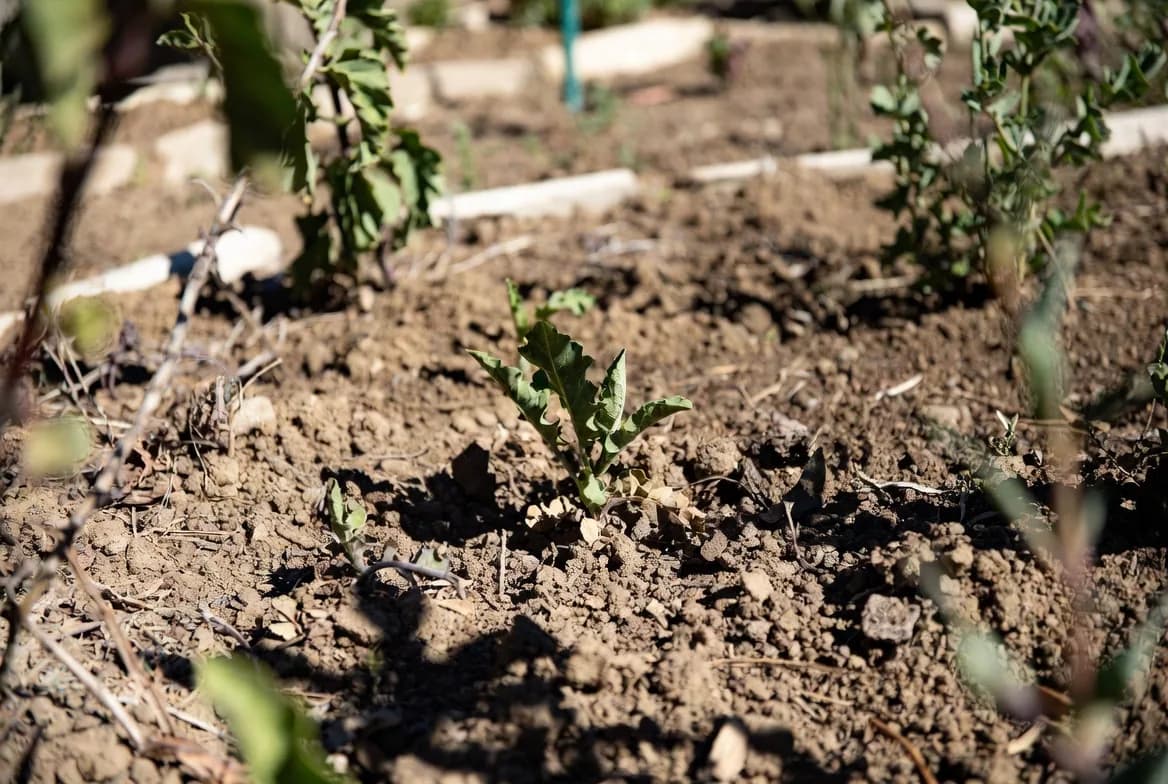
Apply an even, useful layer
Spread roughly 5 cm of organic material across the soil, adjusting for the material and planting. Keep a clear ring around stems, trunks and the crowns of perennials so they remain ventilated and are not held constantly wet.
Check beneath it before watering again
Push a finger through the mulch and test the soil below rather than judging by the dry surface. Water deeply and less often when plants need it. Top up thin areas as the material breaks down, but avoid continually piling new mulch against woody stems.