Make it happen.
Build healthier plants
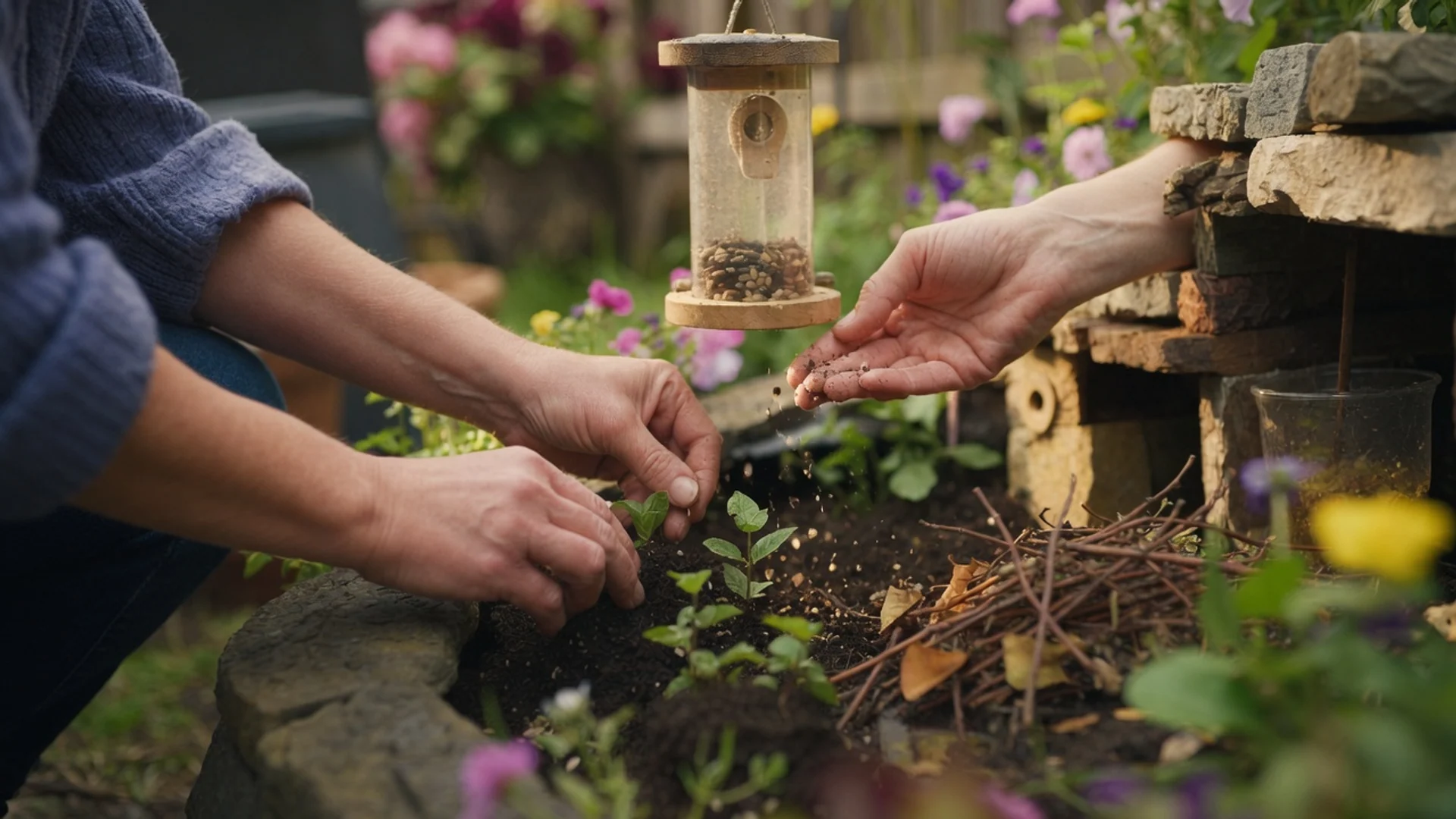
Match plants to their conditions, improve soil structure and water well during establishment. Strong plants cope better with minor damage and need fewer emergency interventions.
Use physical barriers
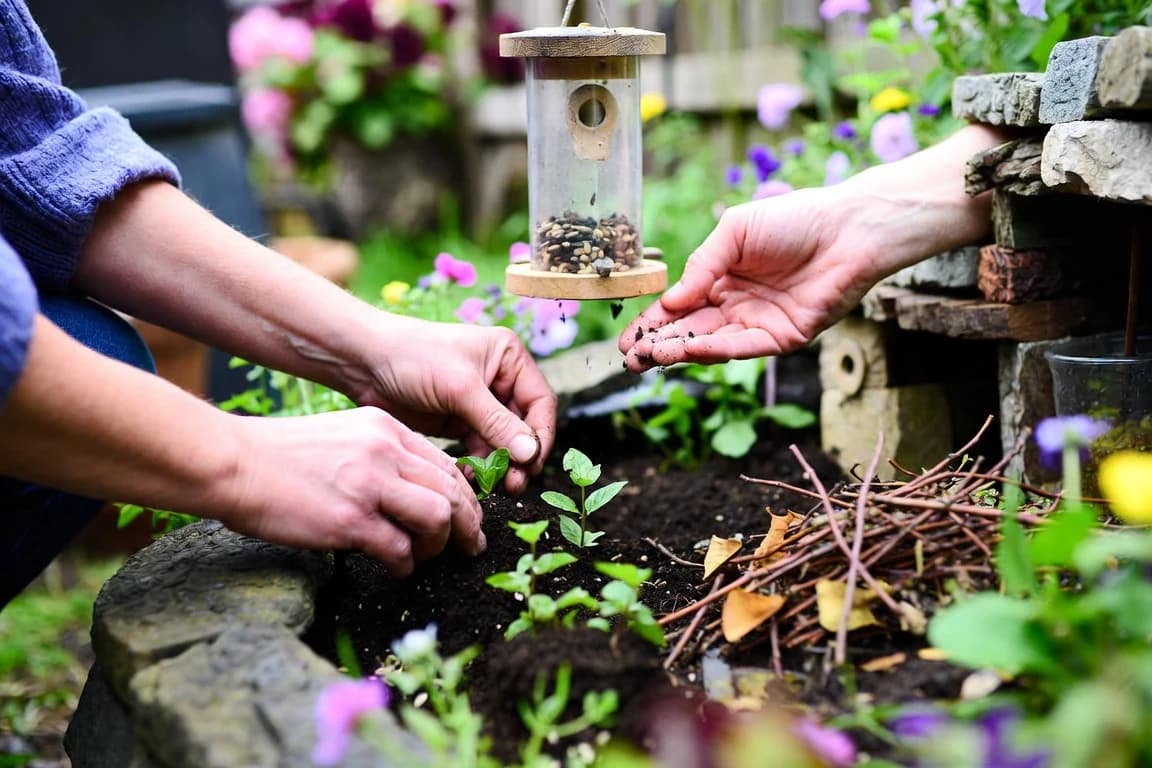
Fine mesh, collars, hand removal and protected propagation can prevent damage without introducing persistent chemicals. Check barriers regularly so they do not trap wildlife or become a hazard.
Welcome predators
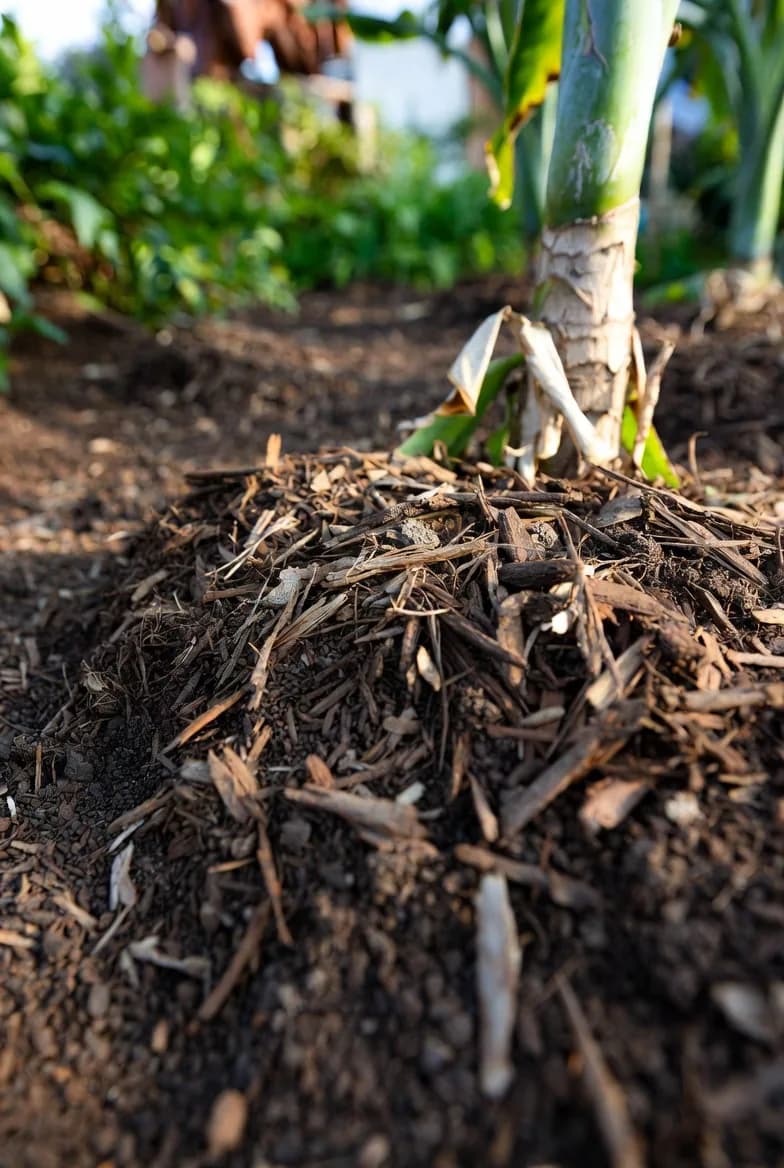
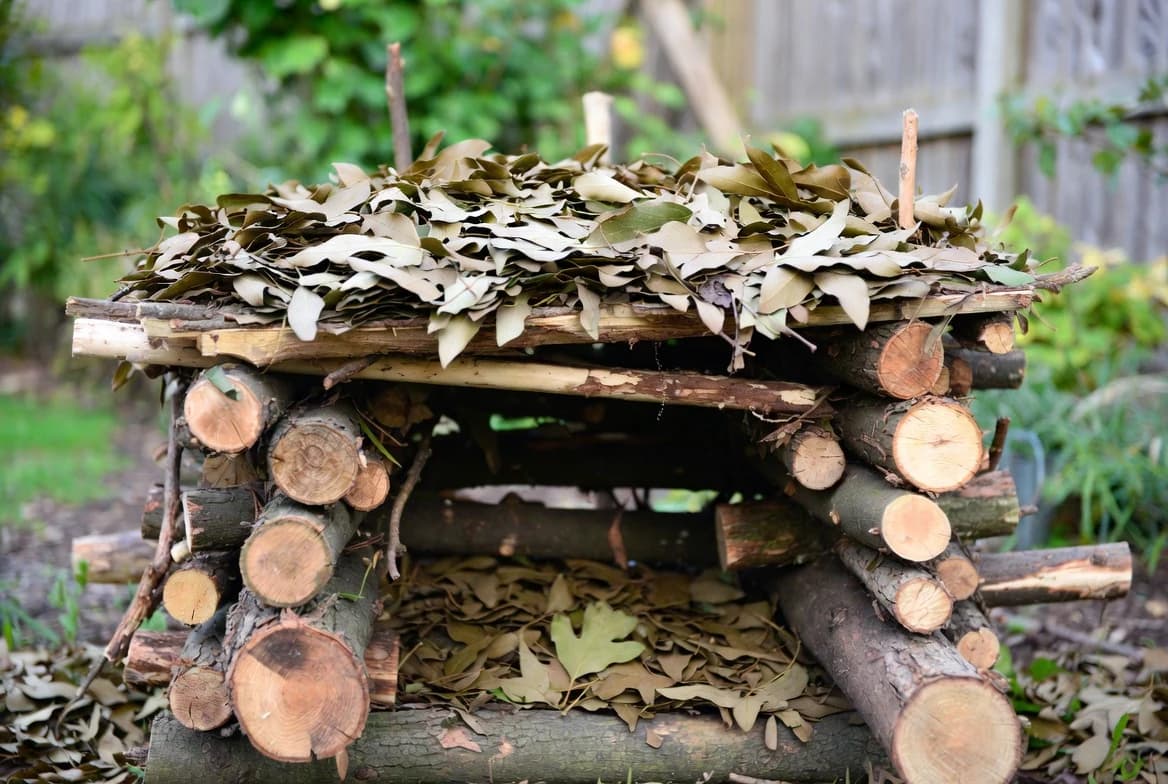
Ponds, dense planting, log piles and bird-friendly habitats encourage animals that naturally feed on many garden pests. A sterile, sprayed garden removes the very helpers you need.
Accept a little damage
Chewed leaves are often evidence that your garden is supporting life. Intervene only where damage is likely to cause a genuine problem, such as a young tree being ring-barked or a crop completely lost.