Make it happen.
Plan a long flowering season
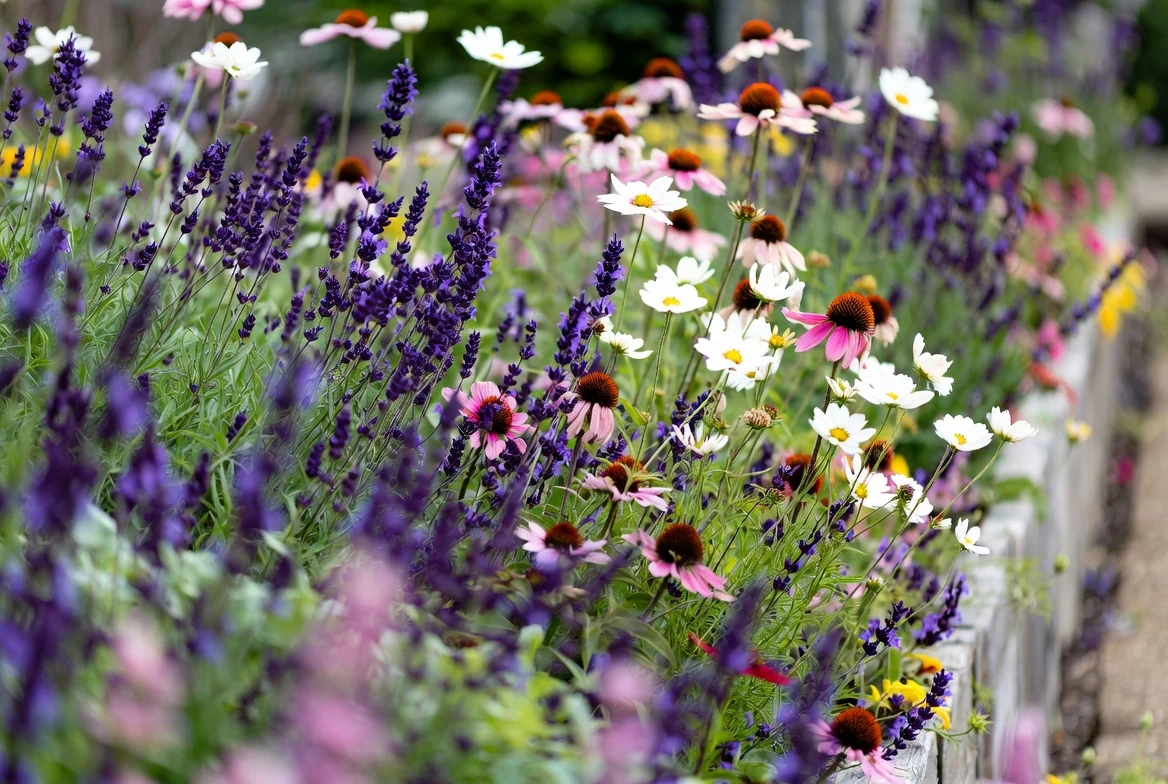
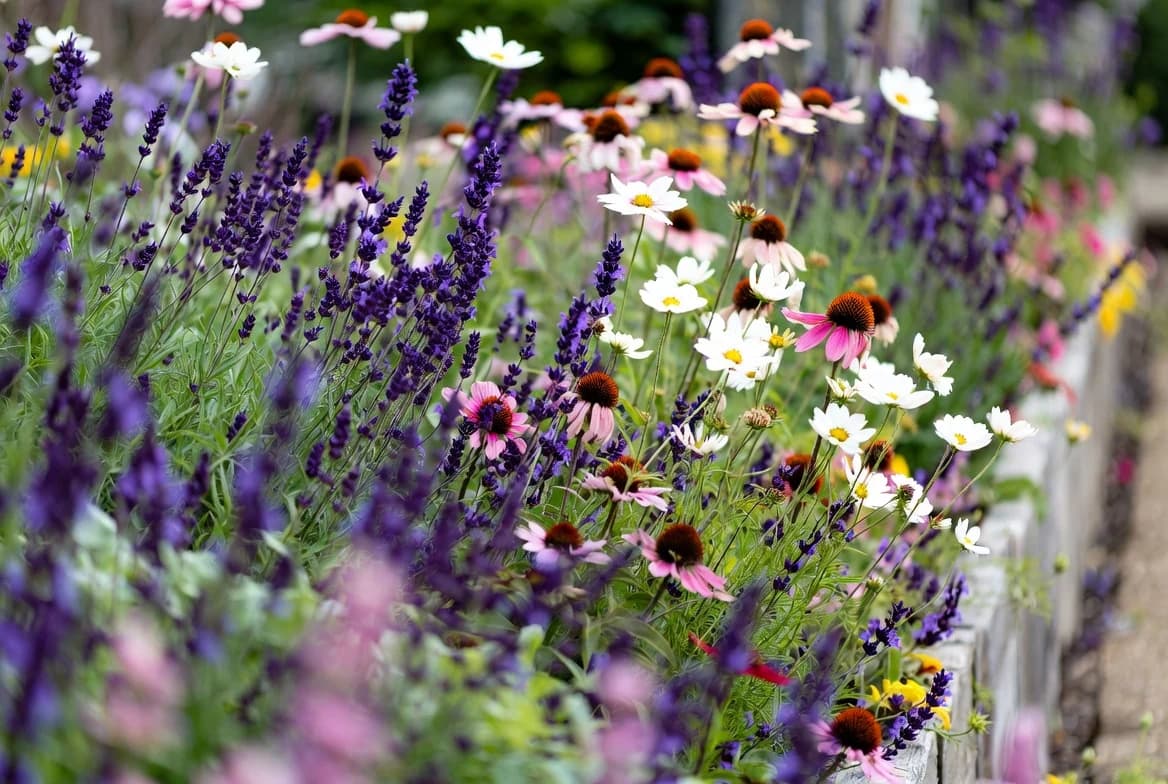
Combine early, mid-season and late flowers so pollinators can find food for as much of the year as possible. Crocus, primrose and pulmonaria help in spring, while lavender, cosmos, echinacea, sedum and flowering herbs extend the season.
Choose open, nectar-rich flowers
Single flowers are usually easier for bees and hoverflies to access than tightly doubled blooms. Favour plants with visible centres and avoid choosing purely for show if the pollen is hidden or difficult to reach.
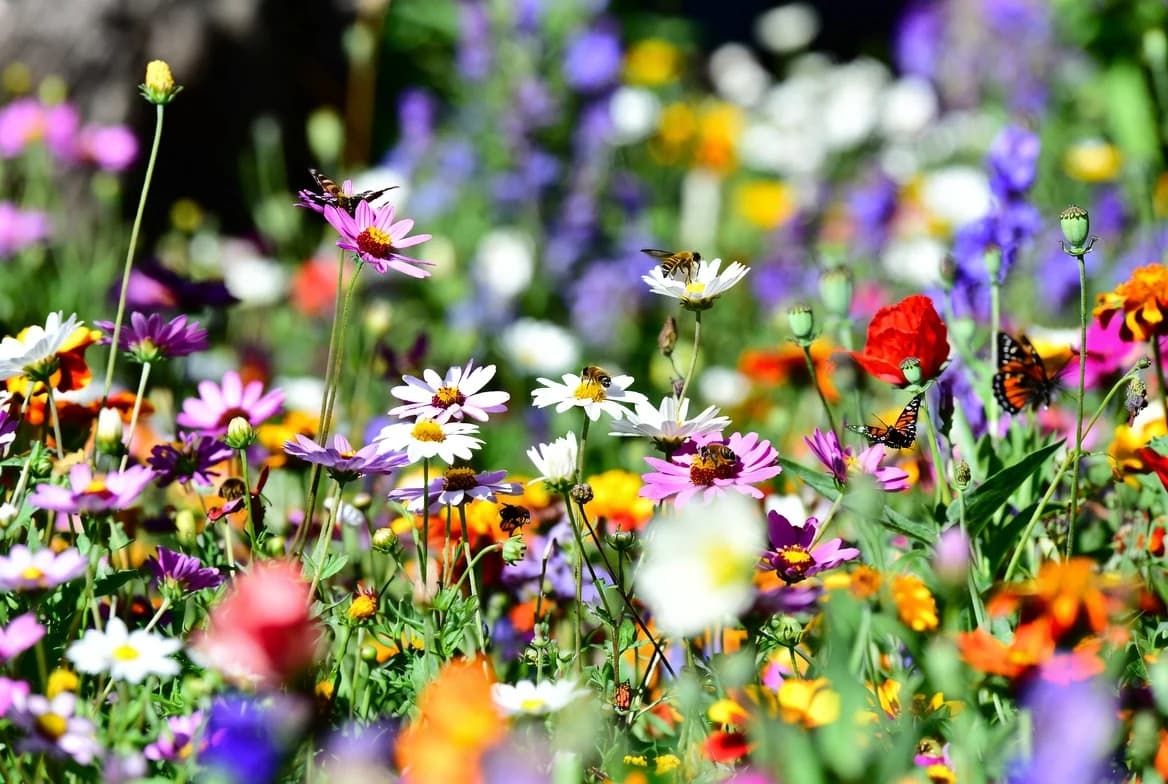
Plant in drifts and repeat in pots
Clumps of the same flower are easier for pollinators to spot and work quickly. A border can use generous drifts, while balconies and patios can repeat the same bee-friendly plants across several containers for a stronger effect.
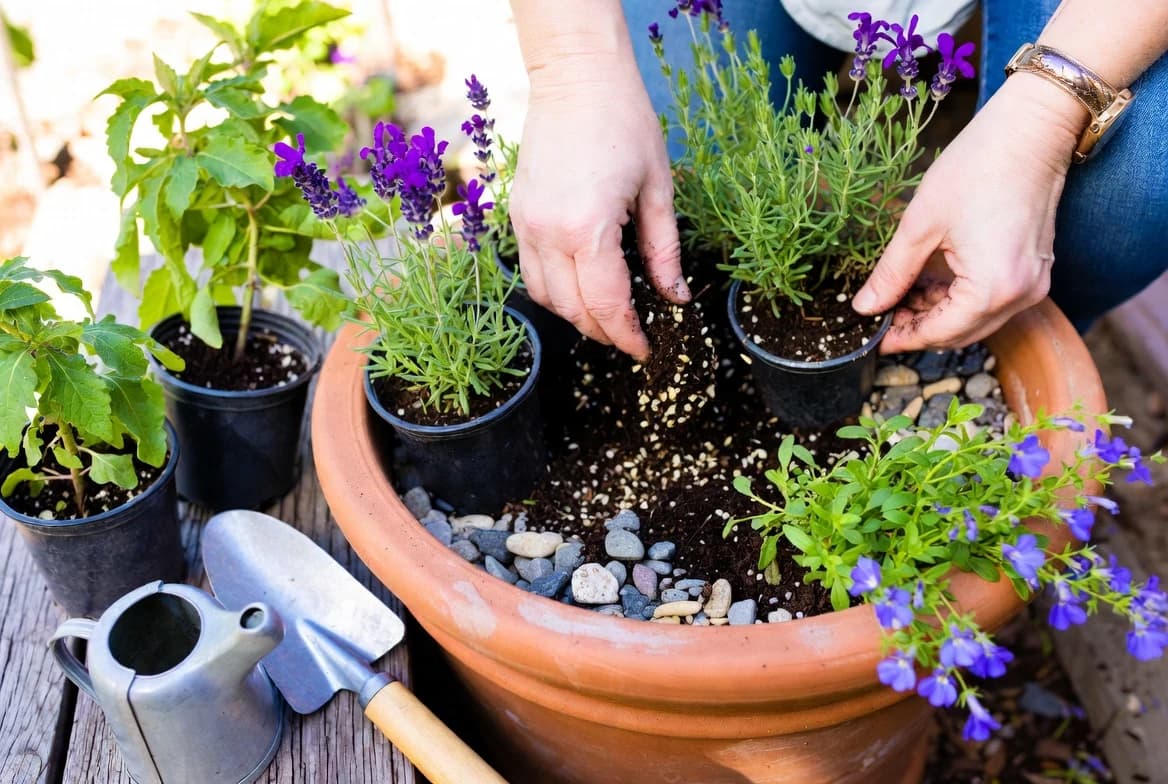
Add water and garden gently
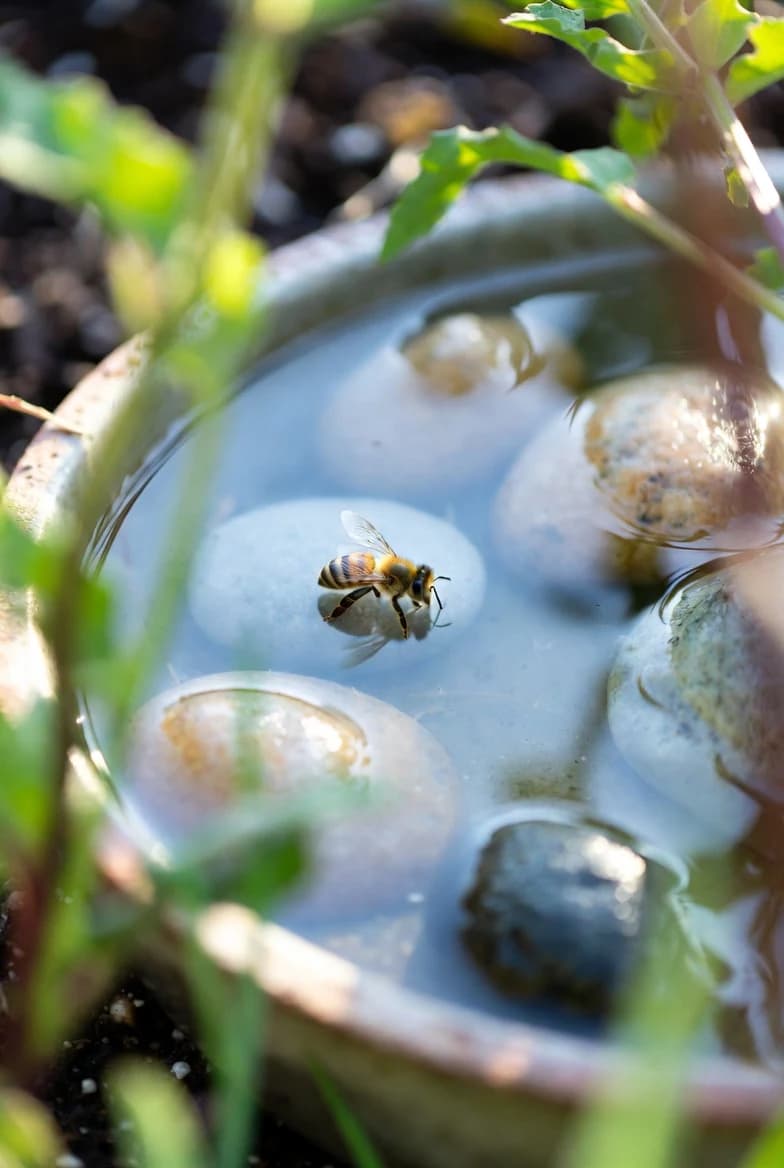
A shallow dish with stones gives insects a safe place to drink. Avoid pesticides, let herbs flower and leave a little bare ground where practical because many solitary bees prefer simple nesting opportunities close to food.