Make it happen.
Plan flowers by season
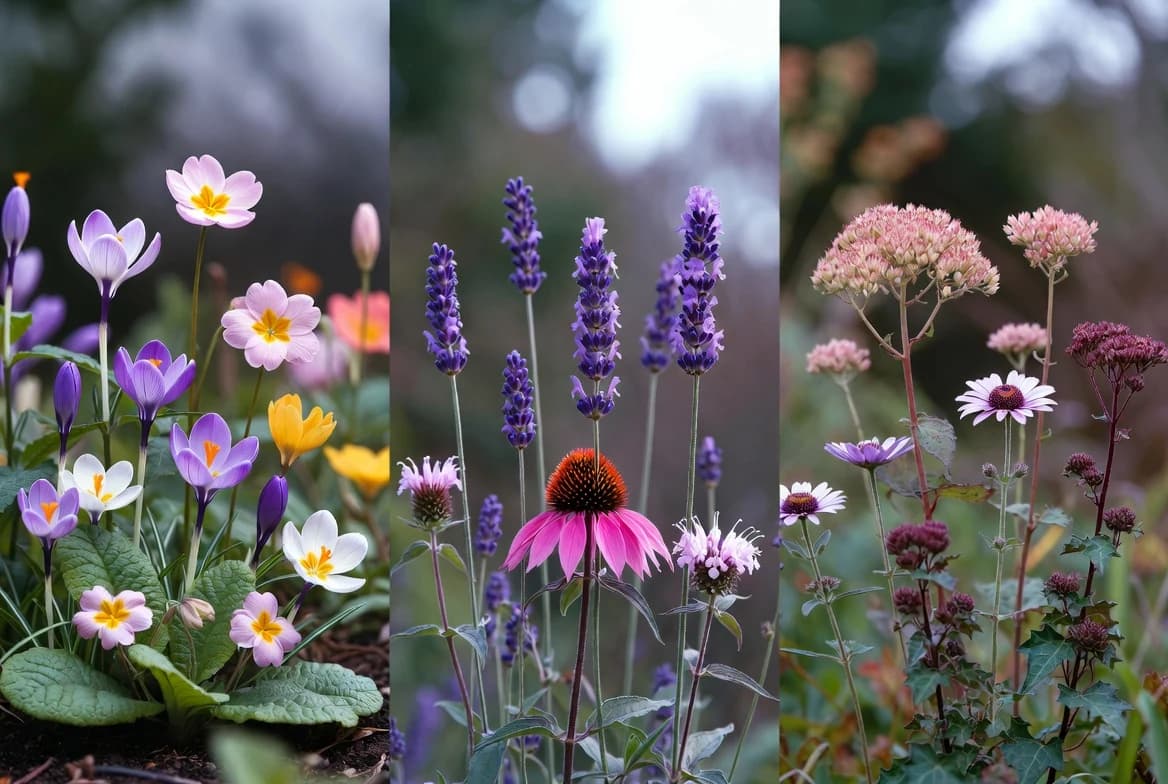
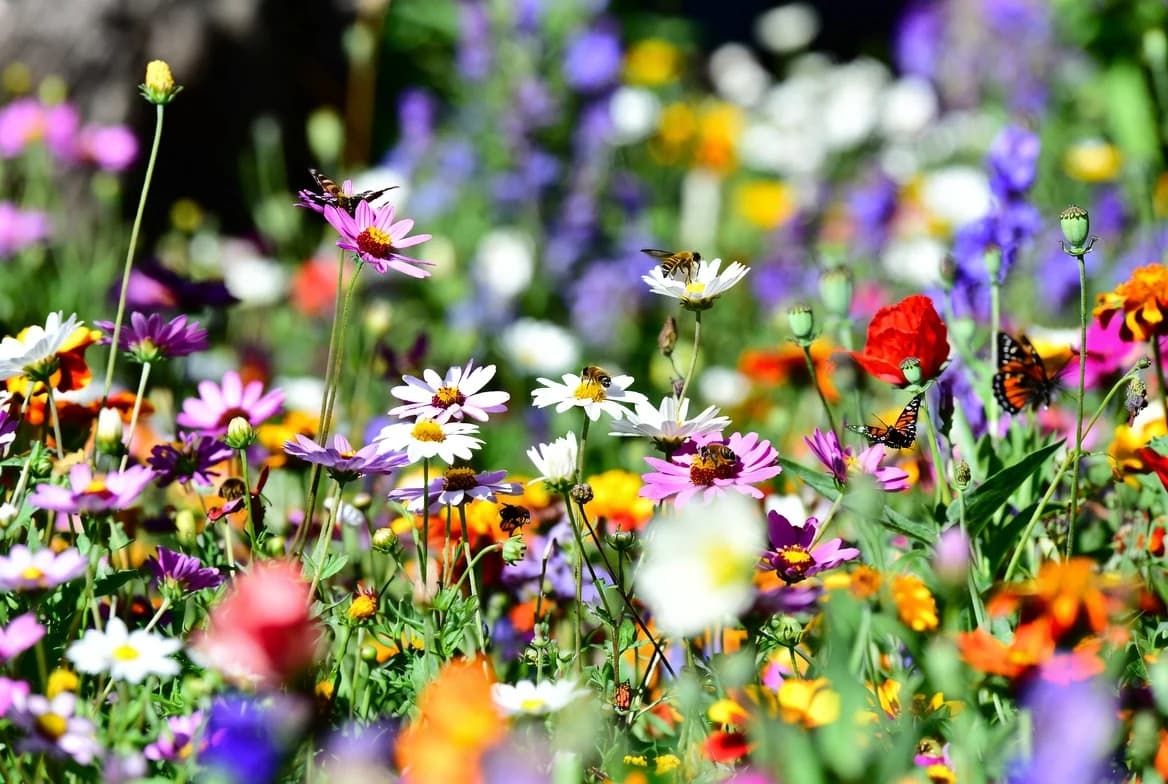
Choose a mixture of early, mid-season and late-flowering plants so nectar and pollen are available for longer. Aim for something useful from March through October rather than a single midsummer peak.
Plant in generous groups
Clusters of the same flower are easier for pollinators to find and allow them to feed efficiently without travelling far between blooms. Three to five of one plant is usually stronger than five different singles.
Keep some bare ground
Many solitary bees nest in soil. A small sunny patch of undisturbed, well-drained ground can be more useful than a decorative insect hotel. Leave a few hollow stems standing over winter too.
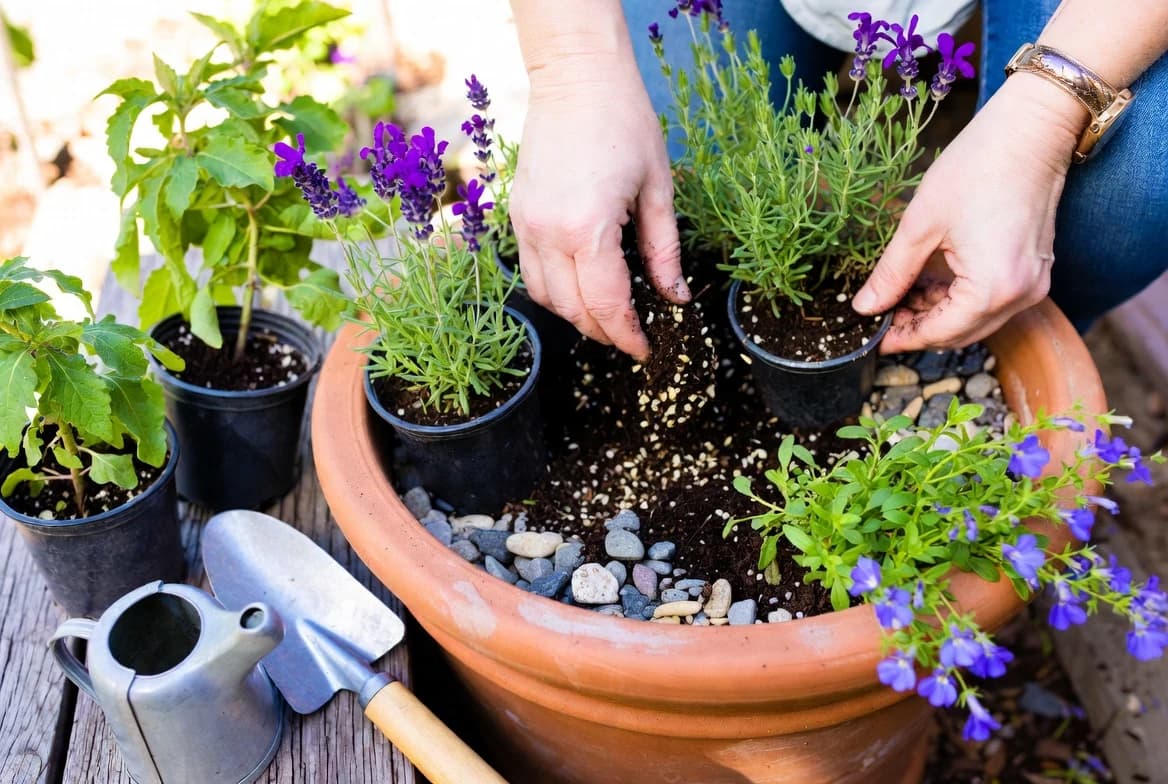
Avoid pesticides
Let natural predators manage many garden pests and use physical controls where necessary. A wildlife garden works best when its food chain is left intact, including the insects people sometimes call pests.