
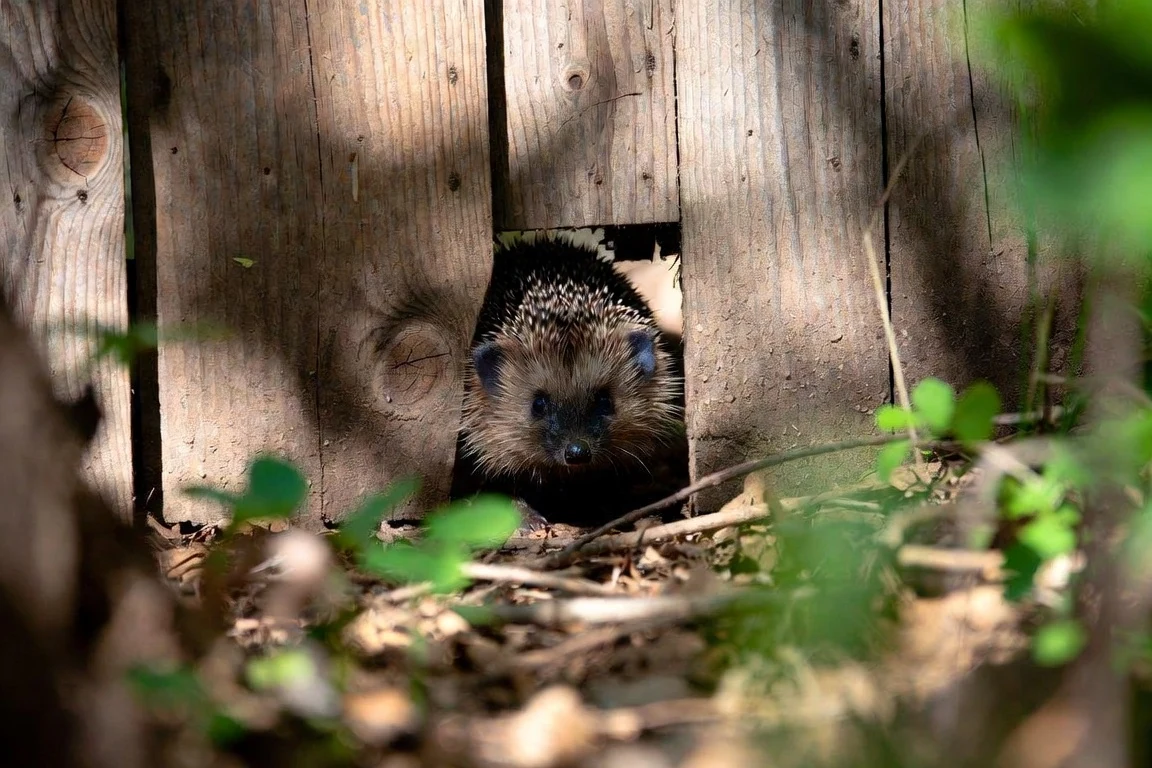
A hedgehog using a small opening at the base of a wooden fence
Hedgehogs

Welcome hedgehogs into your garden

Improve access, reduce common hazards and create quiet corners for shelter and feeding.

Why it matters

Hedgehogs need connected gardens more than perfect features.

The most helpful change is often a small ground-level route between neighbouring outdoor spaces, followed by safe shelter and fewer hazards. Food can help, but only after access and safety are sorted.

What you need

Materials checklist.

  • Permission from neighbours for any shared boundary change
  • Saw or tool suitable for a 13 cm by 13 cm fence opening if needed
  • Logs, leaves or a purpose-built hedgehog house for shelter
  • Meat-based cat or dog food and a shallow water dish if feeding
  • Optional: hedgehog highway sign so the gap is not blocked later
Common mistakes

Skip these traps.

  • Offering milk, bread or large quantities of food
  • Creating a gap that leads into a road, uncovered drain or busy pet run
  • Cutting a shared fence without agreement
  • Tidying every leaf pile and compost heap before checking for wildlife
Step by step

Make it happen.

01

Create garden access

A small gap at ground level can connect feeding and nesting areas across several gardens. Speak to neighbours before altering shared boundaries. A finished opening about 13 cm by 13 cm is widely recommended for hedgehogs.
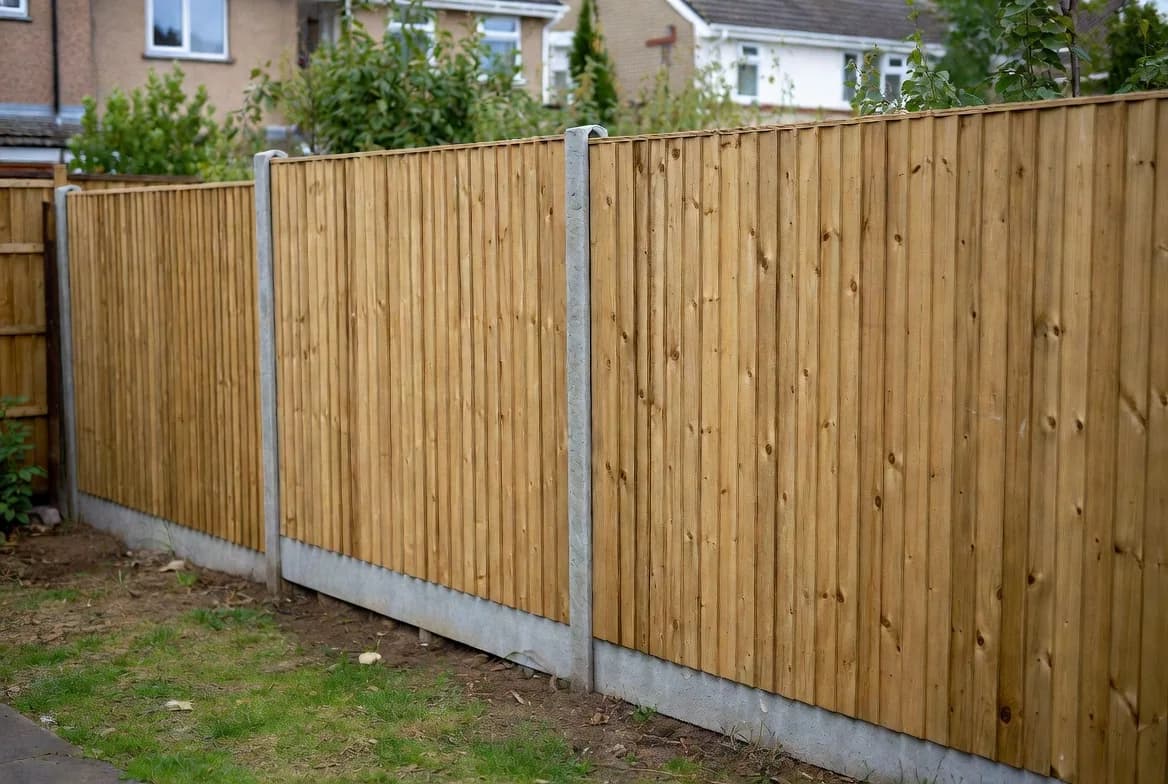
A closed wooden garden fence before a hedgehog access gap is made
02

Make hazards safer

Cover deep drains, add escape routes to ponds and check long grass, compost piles and bonfire material carefully before disturbing them. Raise netting and store slug pellets, if any are still present, well out of reach.
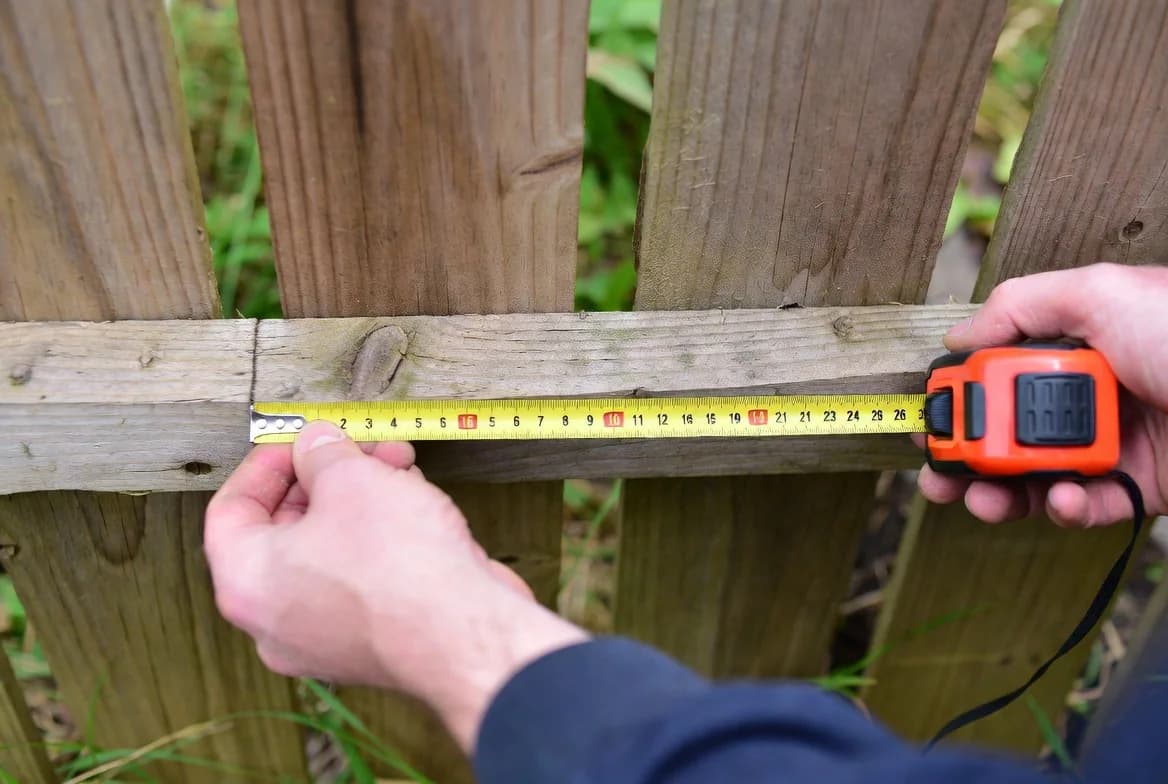
Measuring a ground-level opening in a garden fence
03

Build a quiet shelter

A purpose-built house or a secluded pile of logs and leaves can provide a protected resting place. Position it away from frequent foot traffic, in a shady, quiet corner with nearby cover.
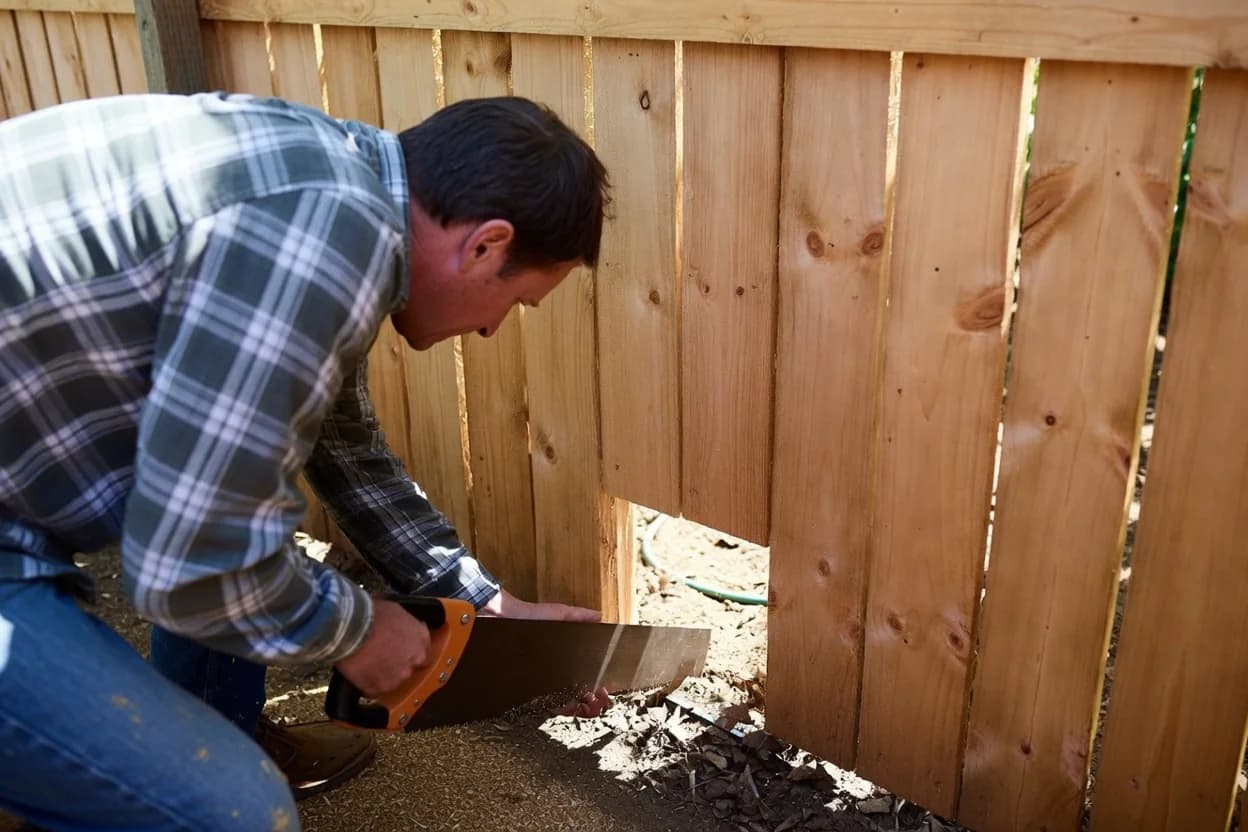
A finished ground-level opening cut into a wooden fence
04

Offer supplementary food carefully

A small amount of suitable meat-based cat or dog food and fresh water can help visitors, particularly when natural food is less abundant. Put food out in the evening, remove leftovers in the morning and never offer milk.
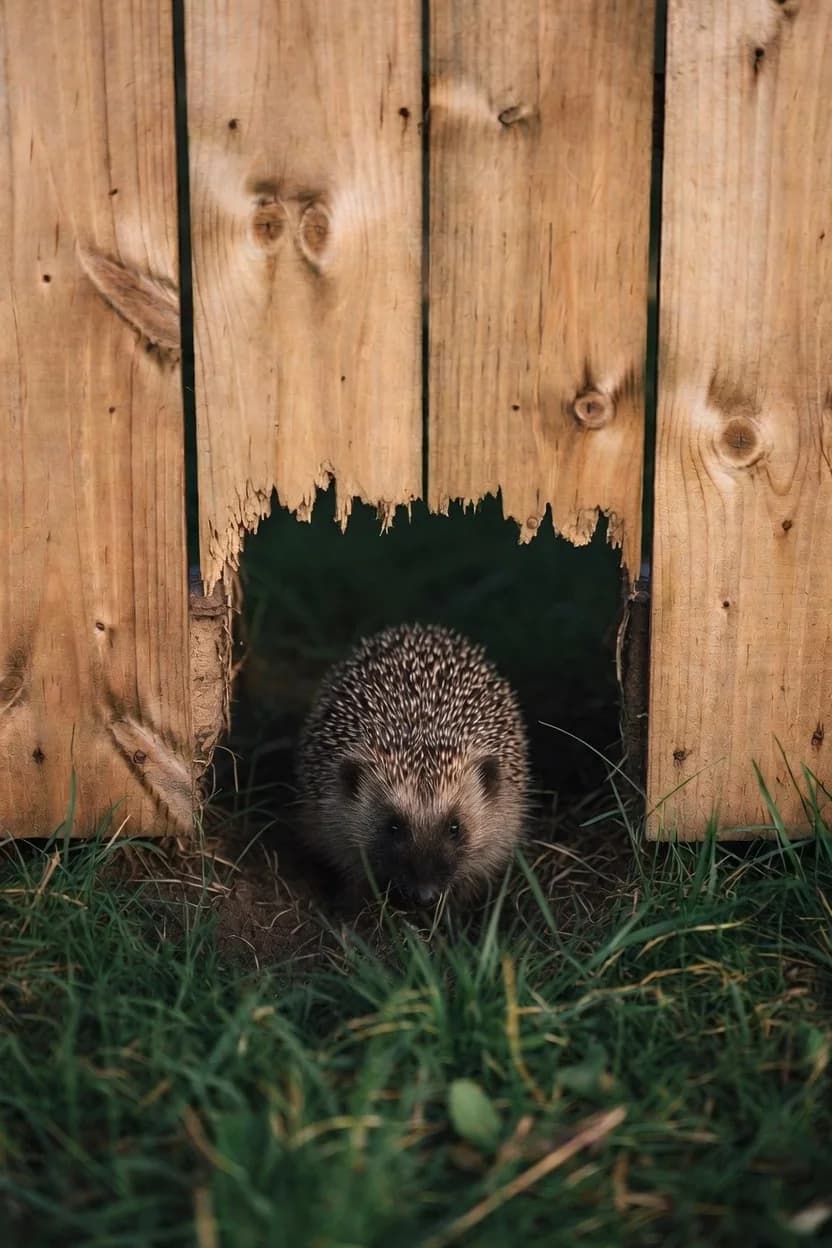
A hedgehog using a finished highway opening under a fence
Useful plants

Easy UK choices that earn their keep.

These are practical starting points, not a complete shopping list. Match plants to your light, soil and the space you actually have.

01

Dense shrubs and hedges

Provide cover for night-time routes along boundaries.

02

Long grass edge

Hunting ground for beetles and other invertebrate prey.

03

Log and leaf piles

Daytime refuge and overwintering structure.

04

Berrying native shrubs

Support the wider food web that hedgehogs rely on.

Common questions

Before you begin.

Will a hedgehog house guarantee visitors?

No. Access between gardens and a reduction in hazards usually matter more. A house helps once hedgehogs can reach your space safely.

Is it safe if I have dogs?

Some dogs will investigate hedgehogs. Keep feeding and shelter areas quiet, supervise pets at dusk and avoid creating access into a space where wildlife cannot escape disturbance.

What size should a highway opening be?

About 13 cm by 13 cm is the standard guidance. Finish edges smoothly so nothing can snag or trap an animal.

Next best step

Make the highway properly

Follow the detailed cut, finish and neighbour steps so the route is safe and lasting.

Continue
Keep it wild. Keep it safe.

Let wildlife arrive in its own time.

Use responsibly sourced plants and materials, avoid moving animals from the wild, and always build in safe access and escape routes. The best habitat is one that can settle, change and become part of the wider garden.

Written and reviewed by

Natasha Card

BSc Environmental Science

Mini Wild Garden turns wildlife science and trusted UK conservation guidance into practical changes that work in ordinary gardens, balconies and small outdoor spaces.

Read the Mini Wild Garden approach
Was this guide helpful?