
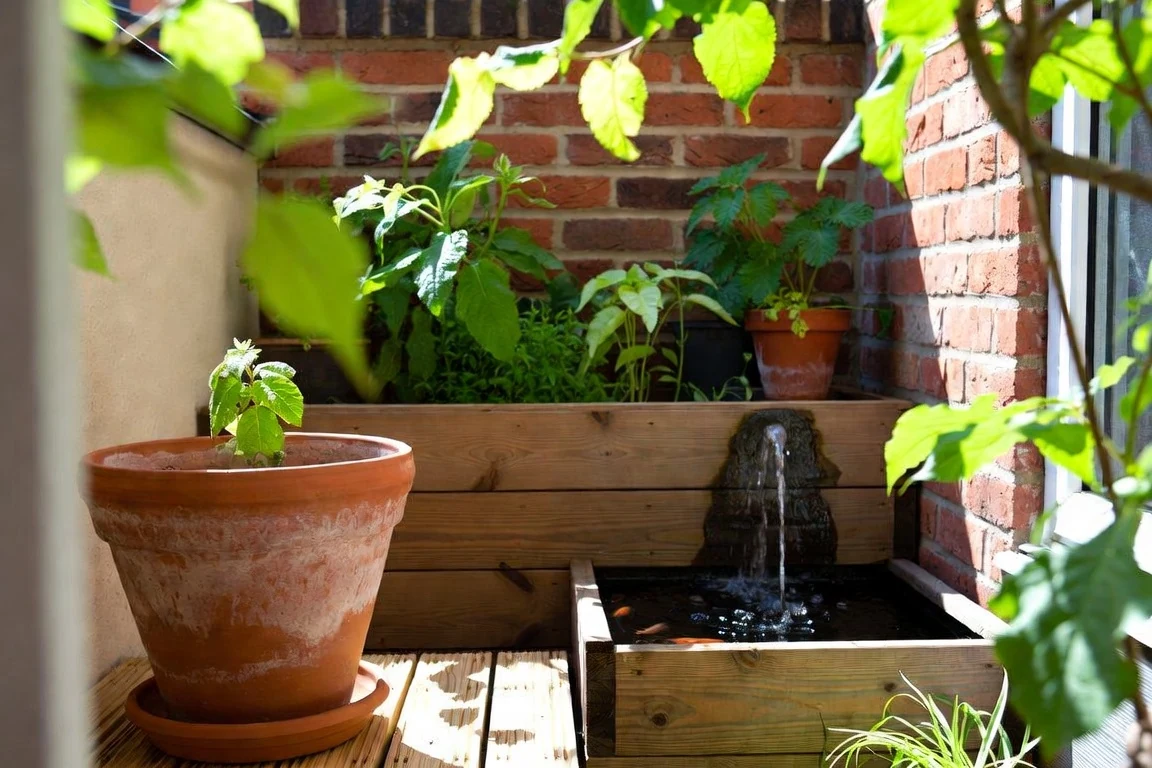
A compact planted courtyard with a small container water feature
All wildlife guidesSmall spaces

Help wildlife in a small garden

Use walls, pots, containers and vertical planting to turn limited space into useful habitat.

Why it matters

Small gardens can be surprisingly rich habitats. The goal is to create layers: flowers at ground level, climbing plants above, water nearby and small sheltered gaps between.

Step by step

Make it happen.

01

Grow upwards

Use trellis, walls and fences for climbers that provide flowers, cover and nesting structure without taking much floor space.

02

Fill pots with purpose

Combine long-flowering plants, herbs and compact shrubs in containers. Group pots together to create a larger feeding area.

03

Add mini water

A watertight bowl or small container pond can support insects and provide drinking water when it includes stones and shallow landing places.

04

Use every layer

Include low ground cover, medium planting and one taller feature where possible. More structure creates more feeding and hiding opportunities.

Keep it wild. Keep it safe.

Let wildlife arrive in its own time.

Use responsibly sourced plants and materials, avoid moving animals from the wild, and always build in safe access and escape routes. The best habitat is one that can settle, change and become part of the wider garden.

Keep exploring

One small change can open a whole new world.

Browse more guides